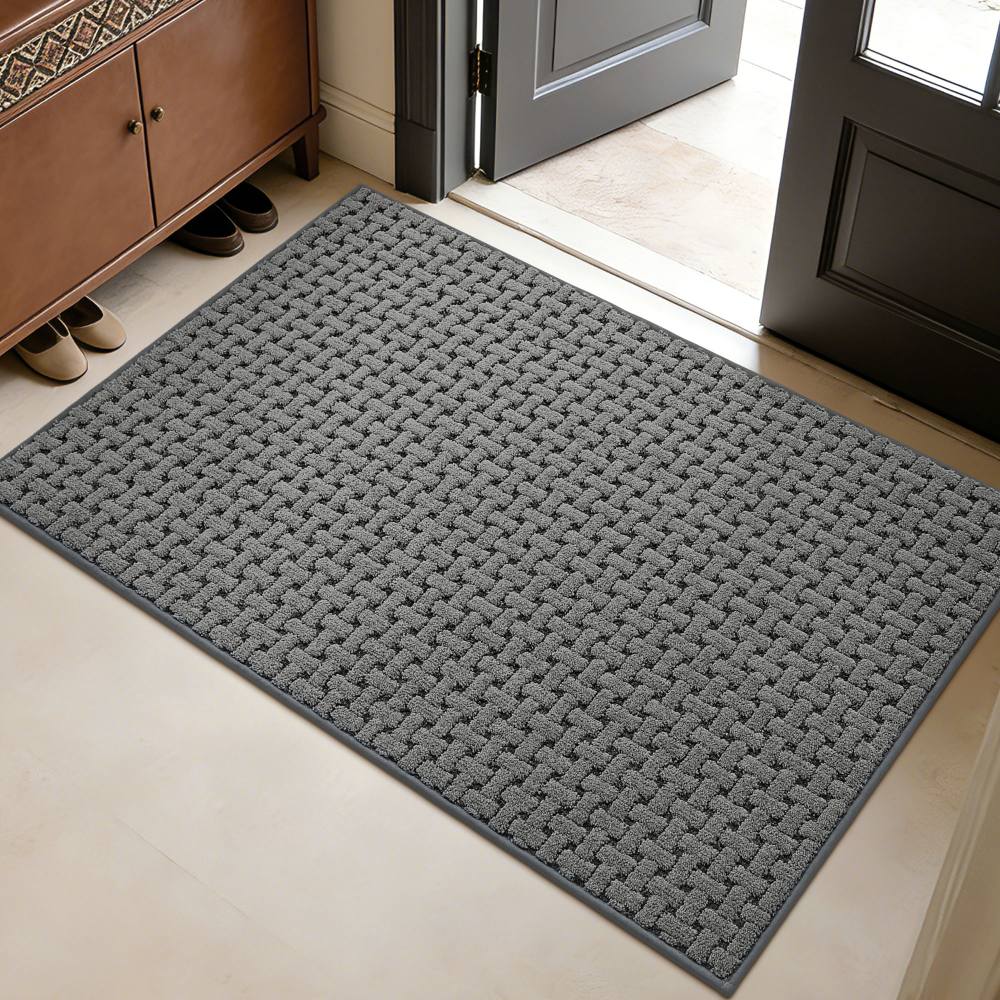
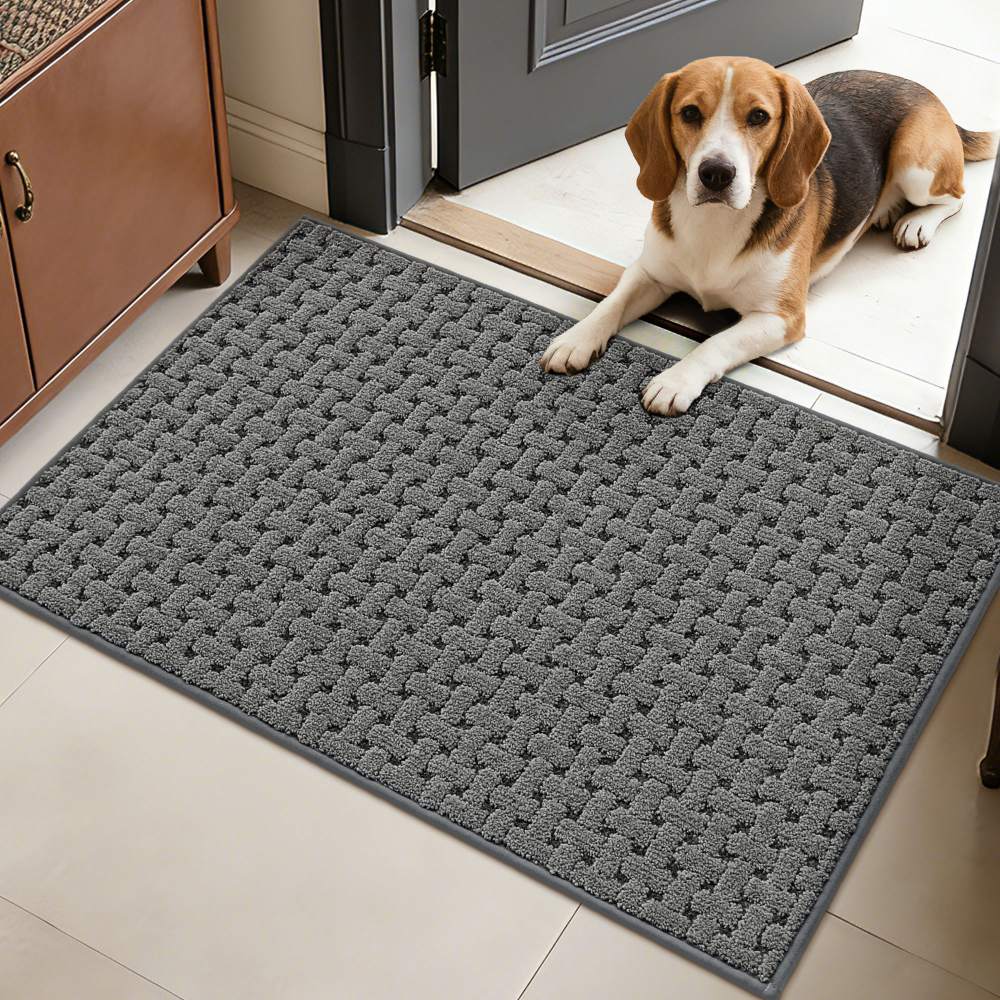
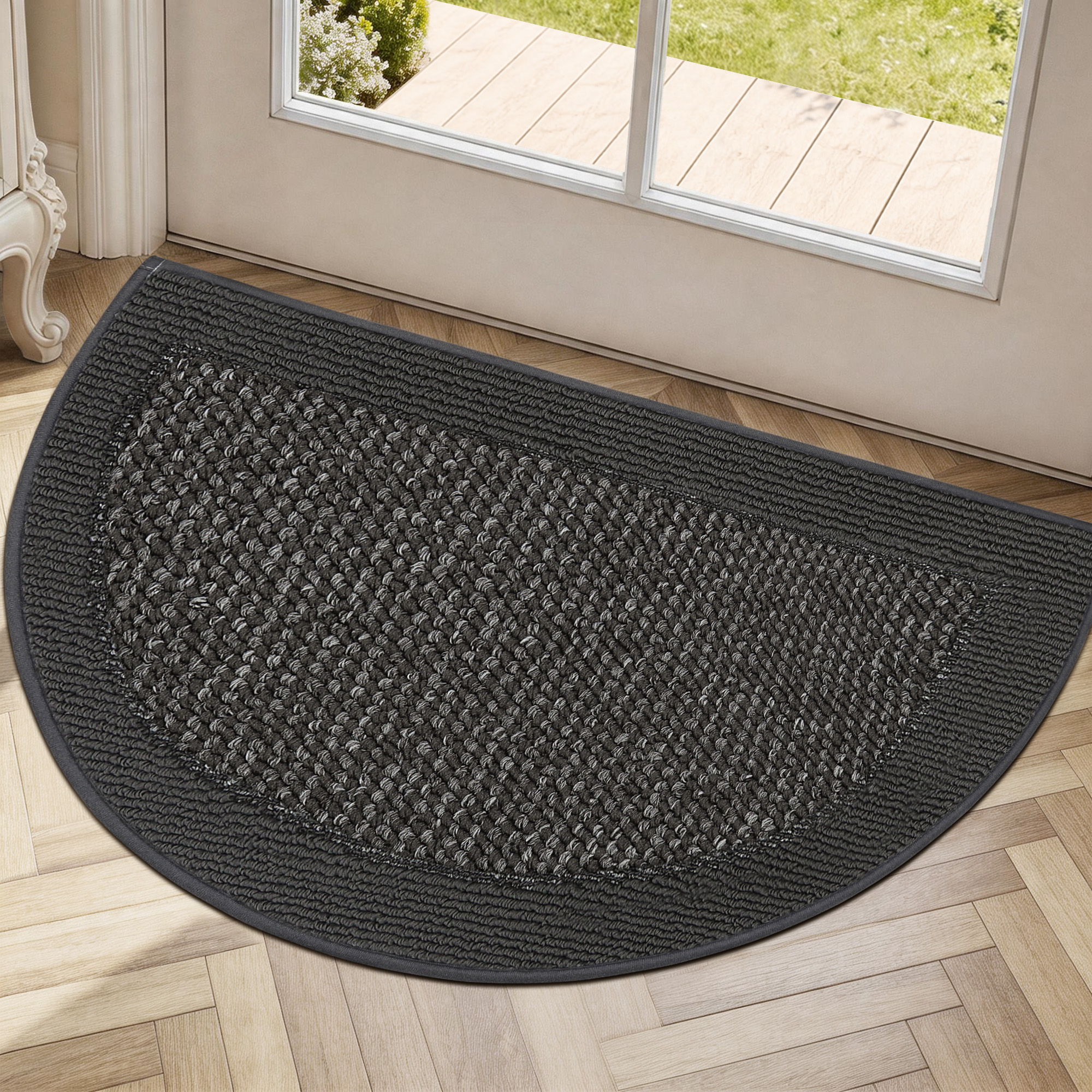
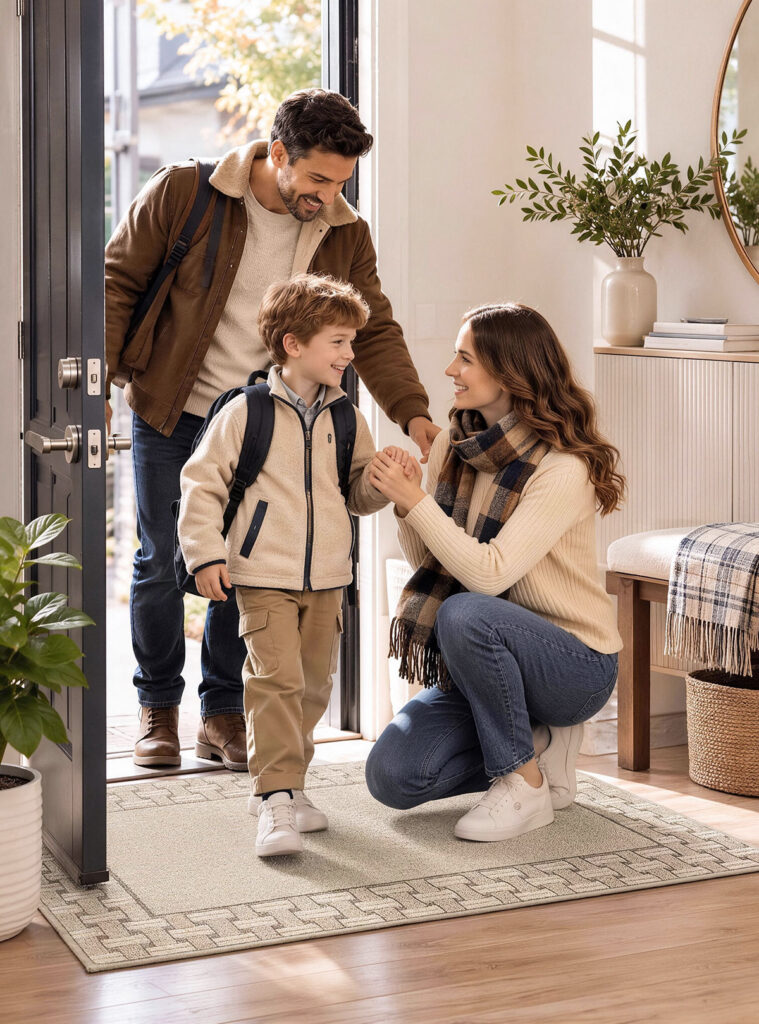
Door Mat Indoor Entrance 32"x48", Non-Slip Entryway Rugs, Grey
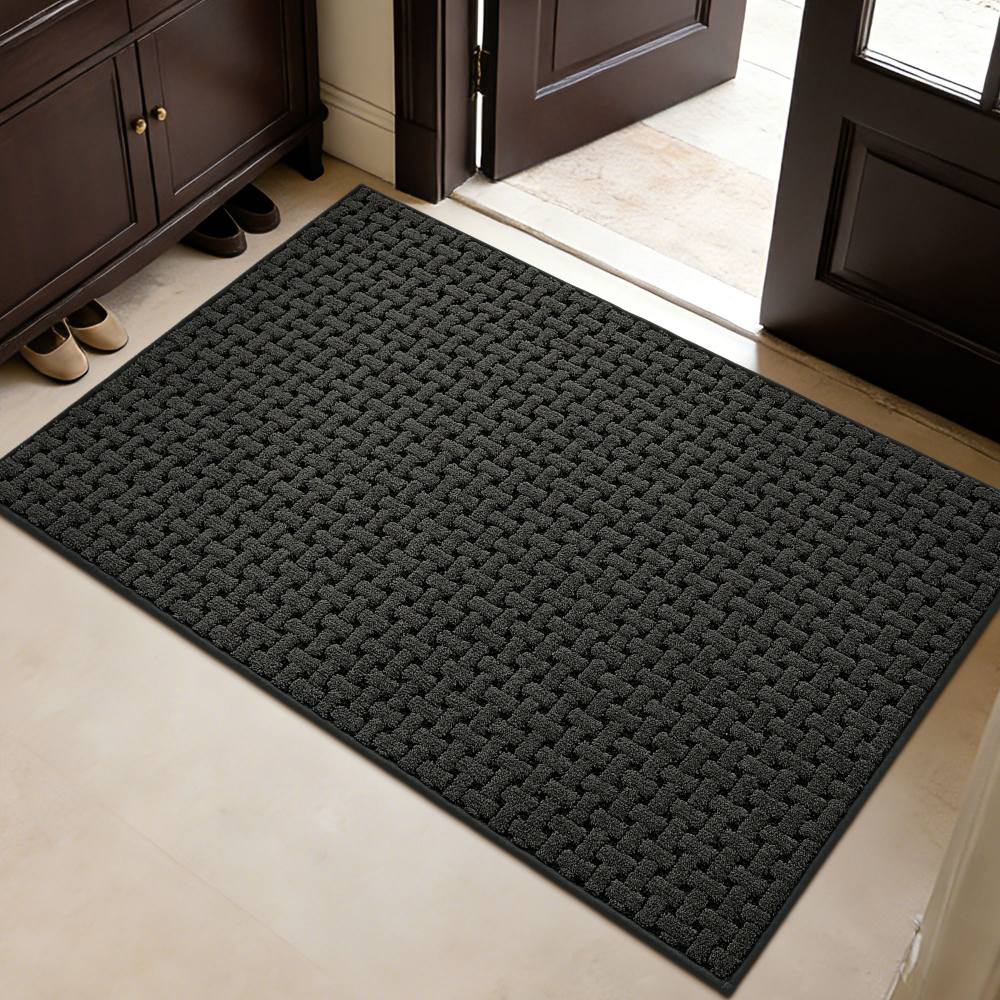
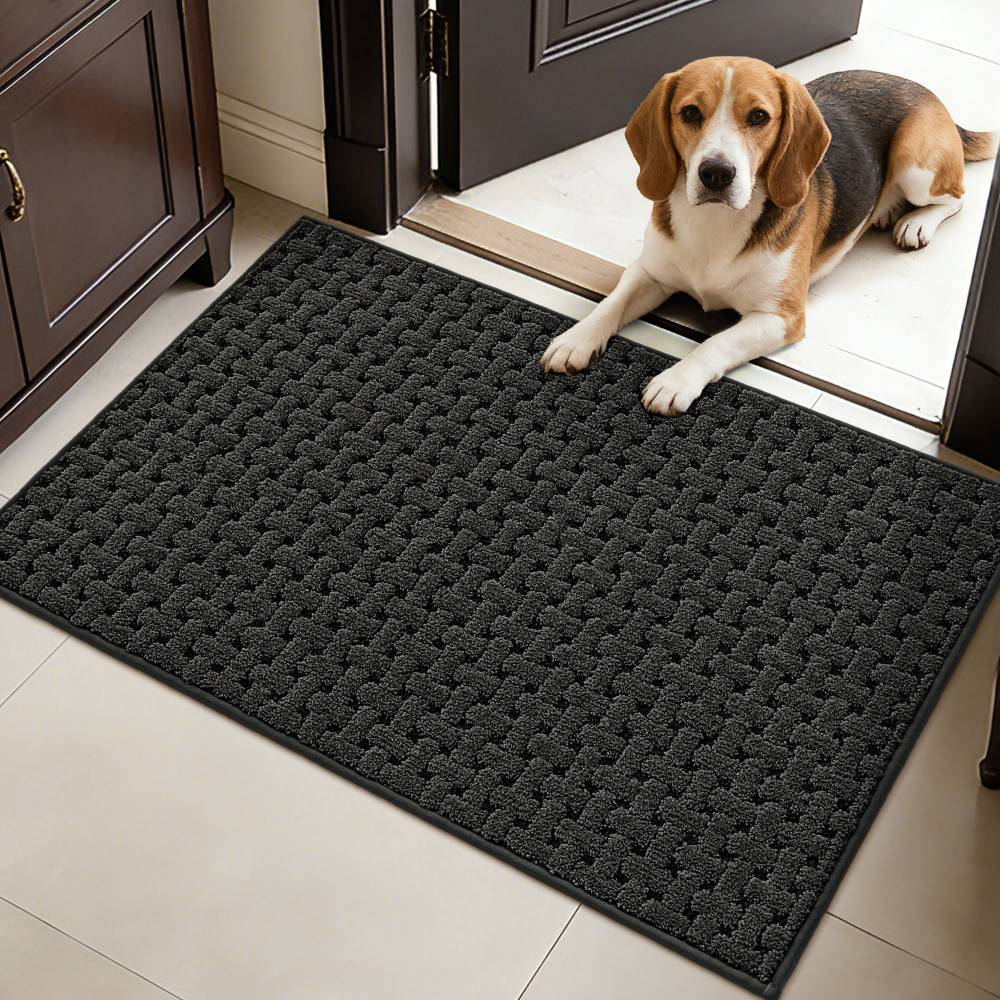
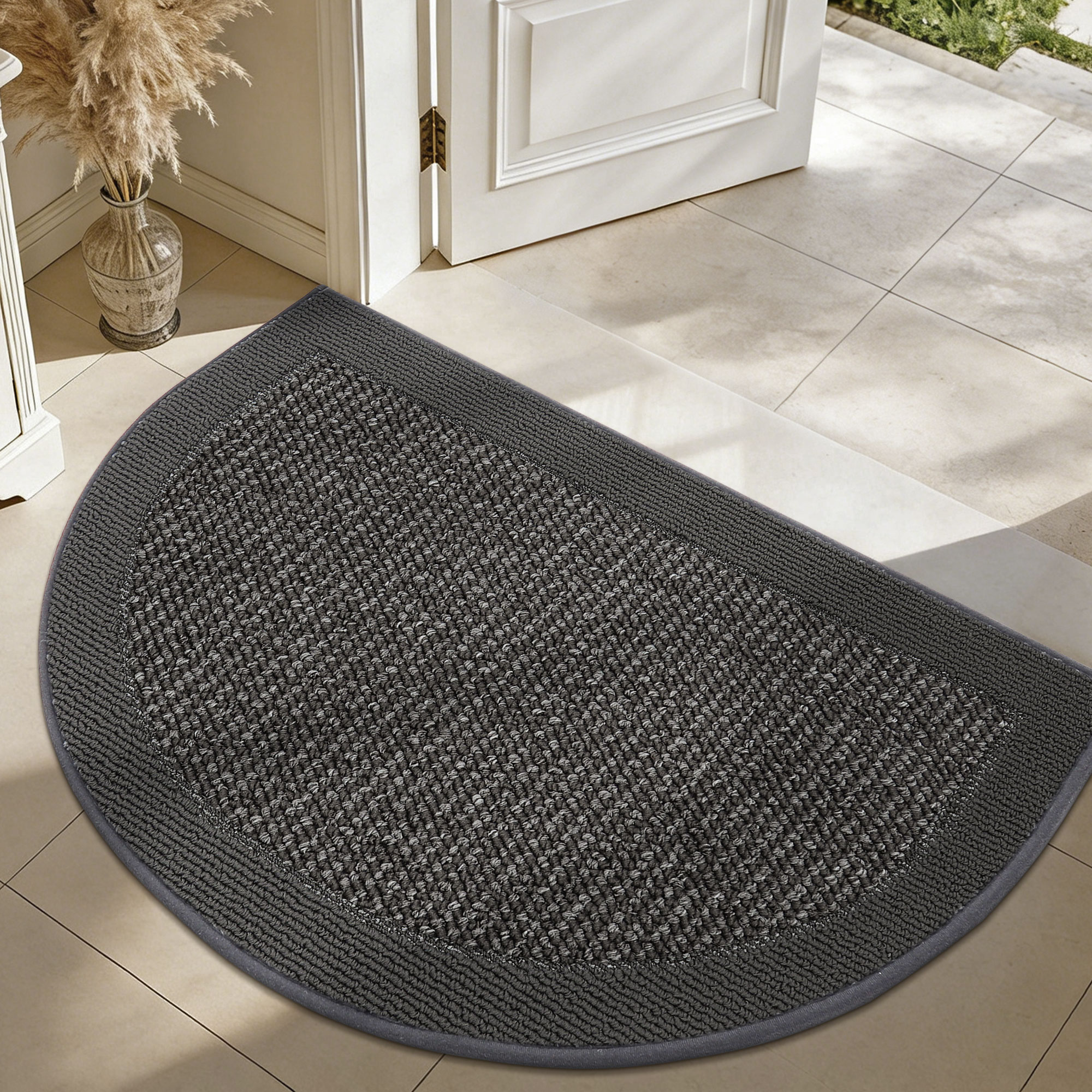
Door Mat Indoor Entrance 32"x48", Non-Slip Entryway Rugs,Dark Grey
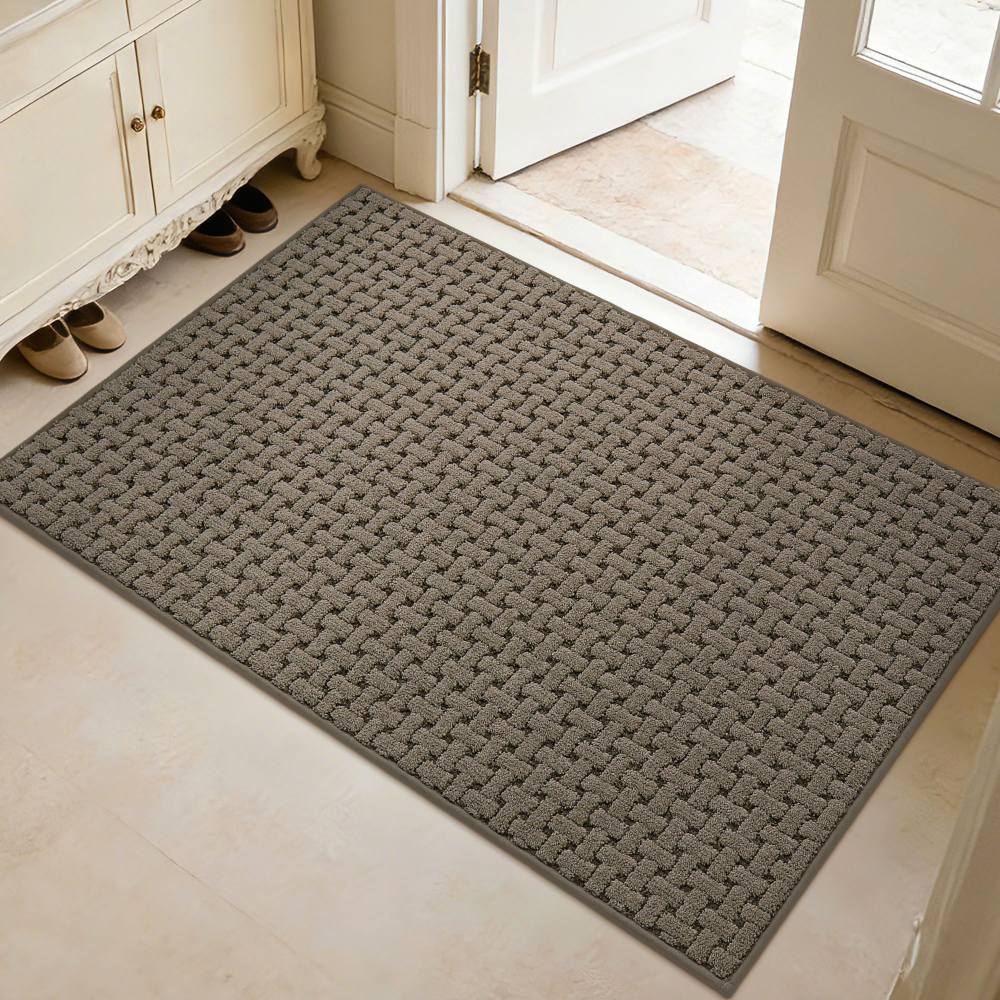
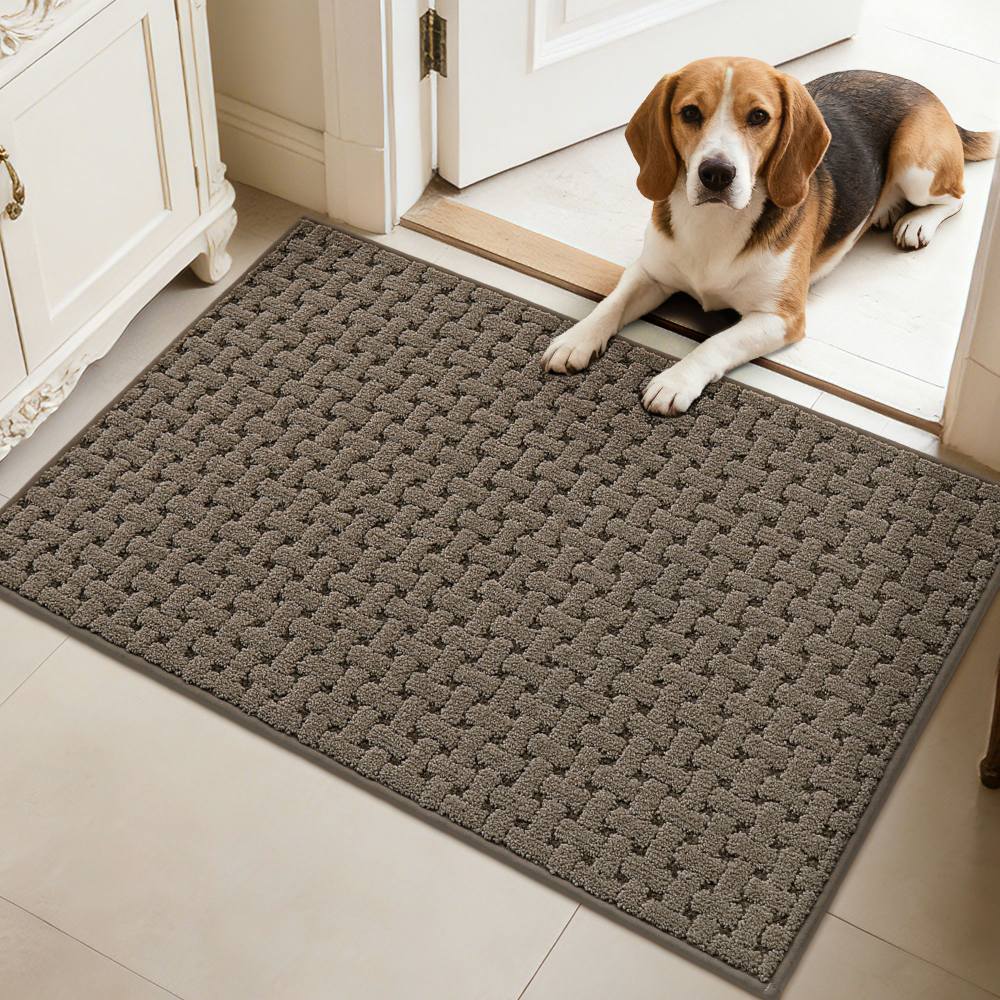
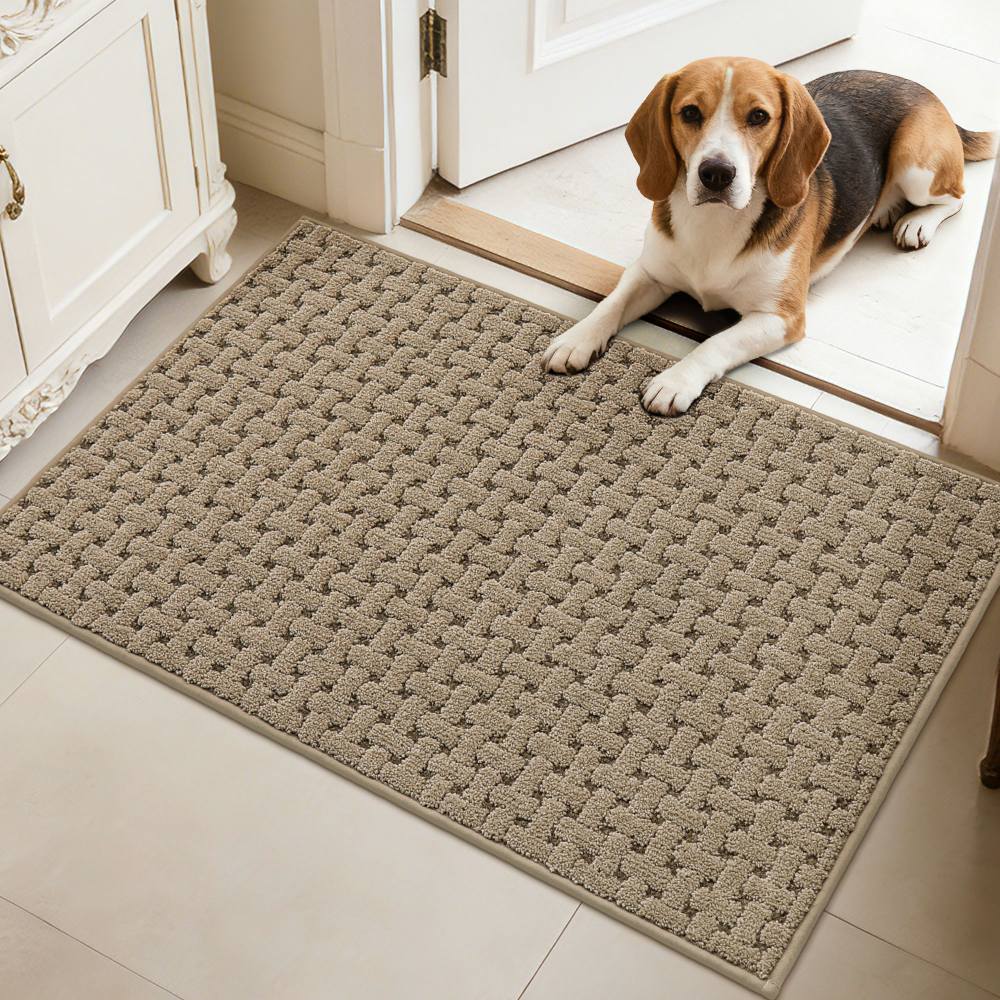
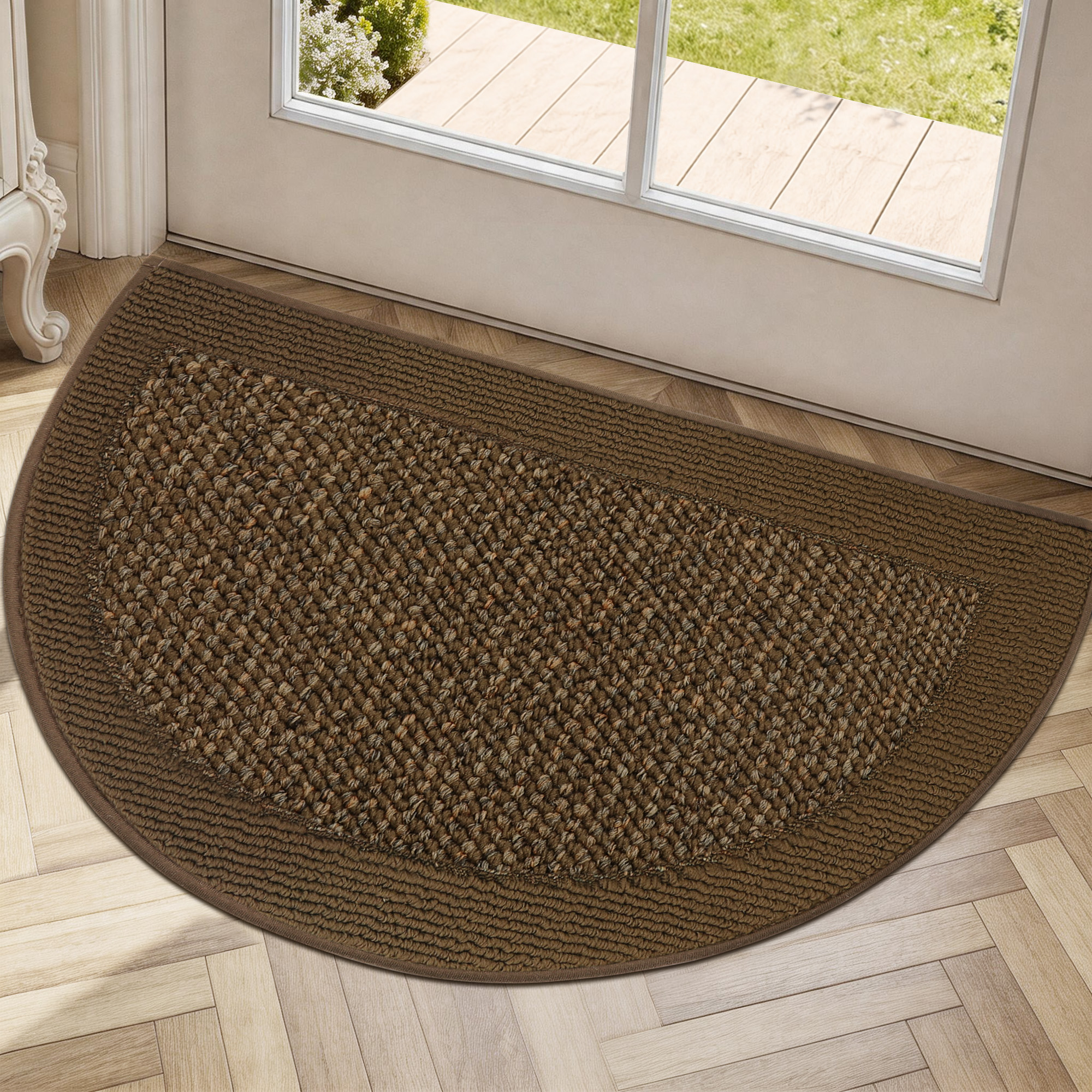
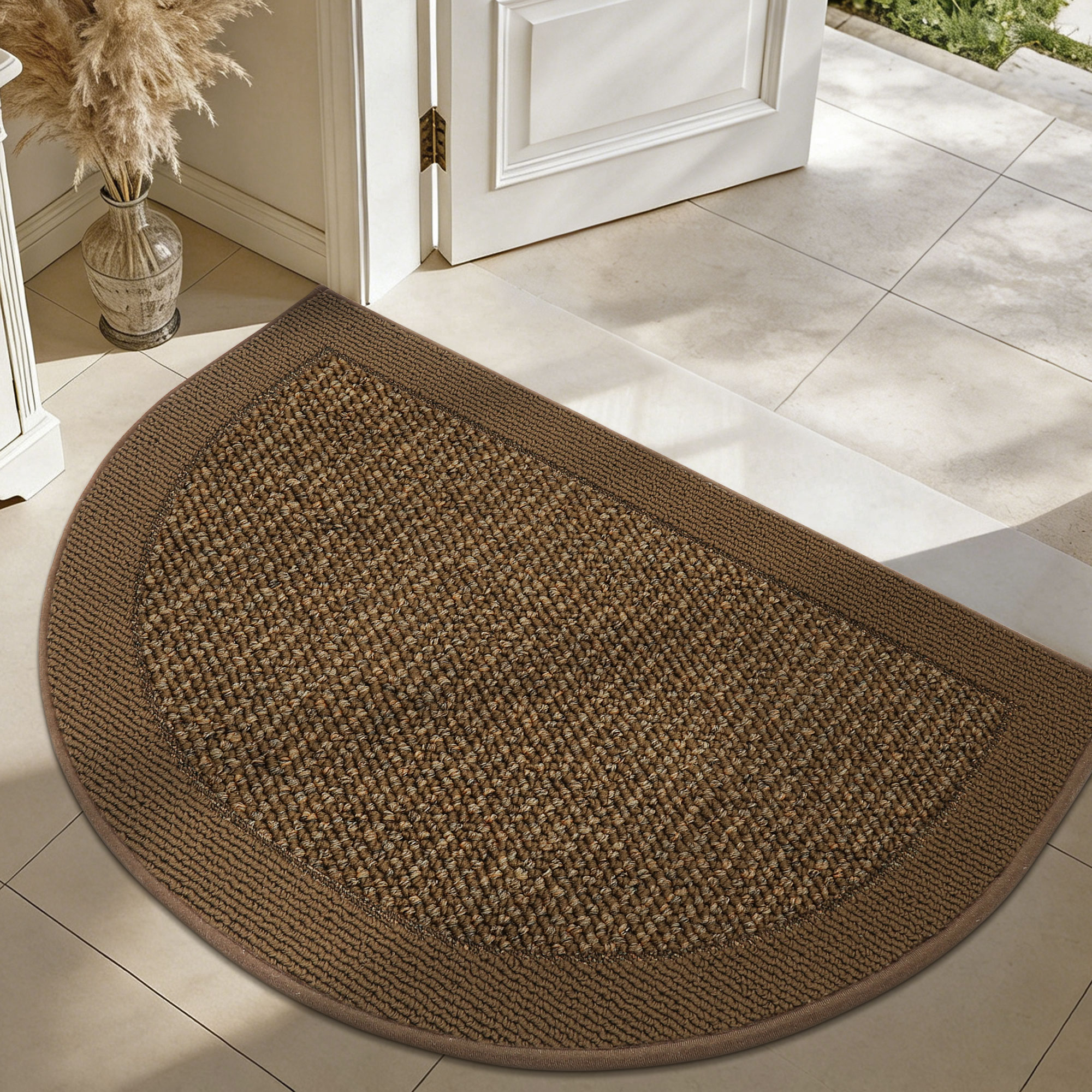
Door Mat Indoor Entrance 32"x48", Non-Slip Entryway Rugs, Brown
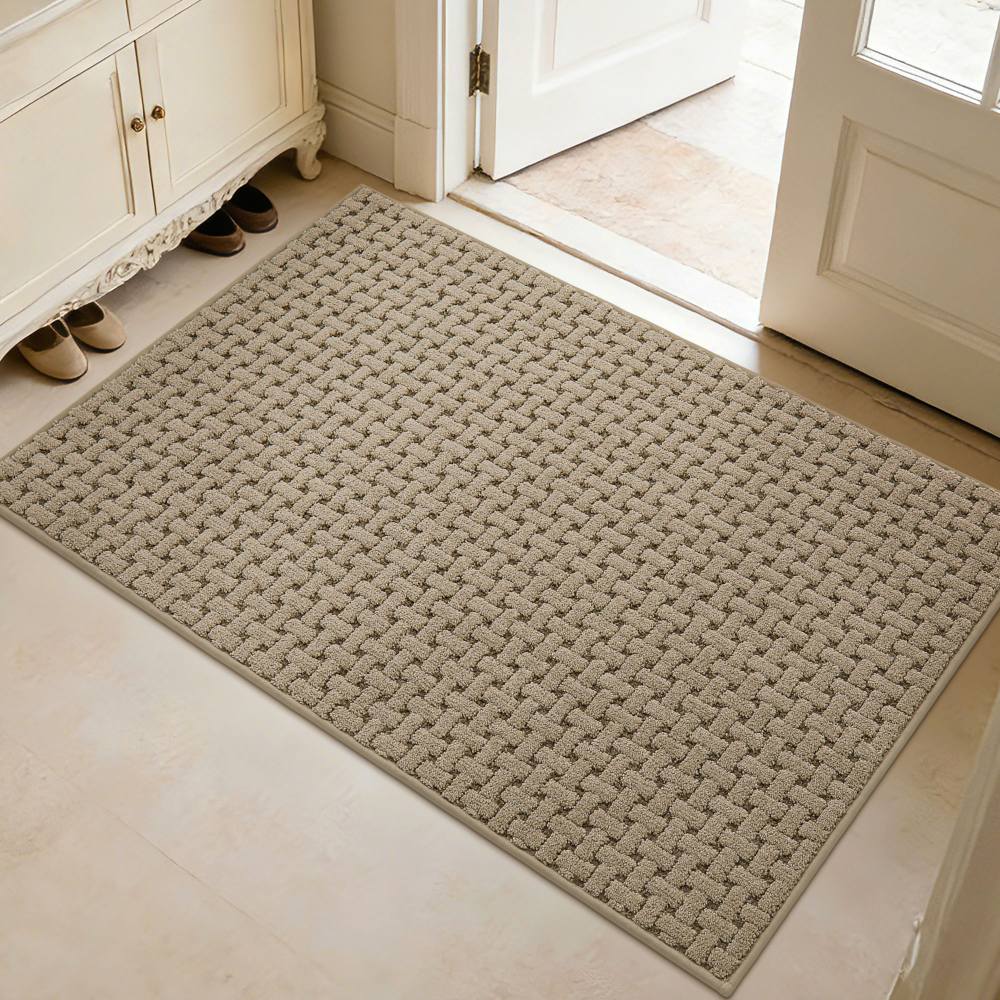
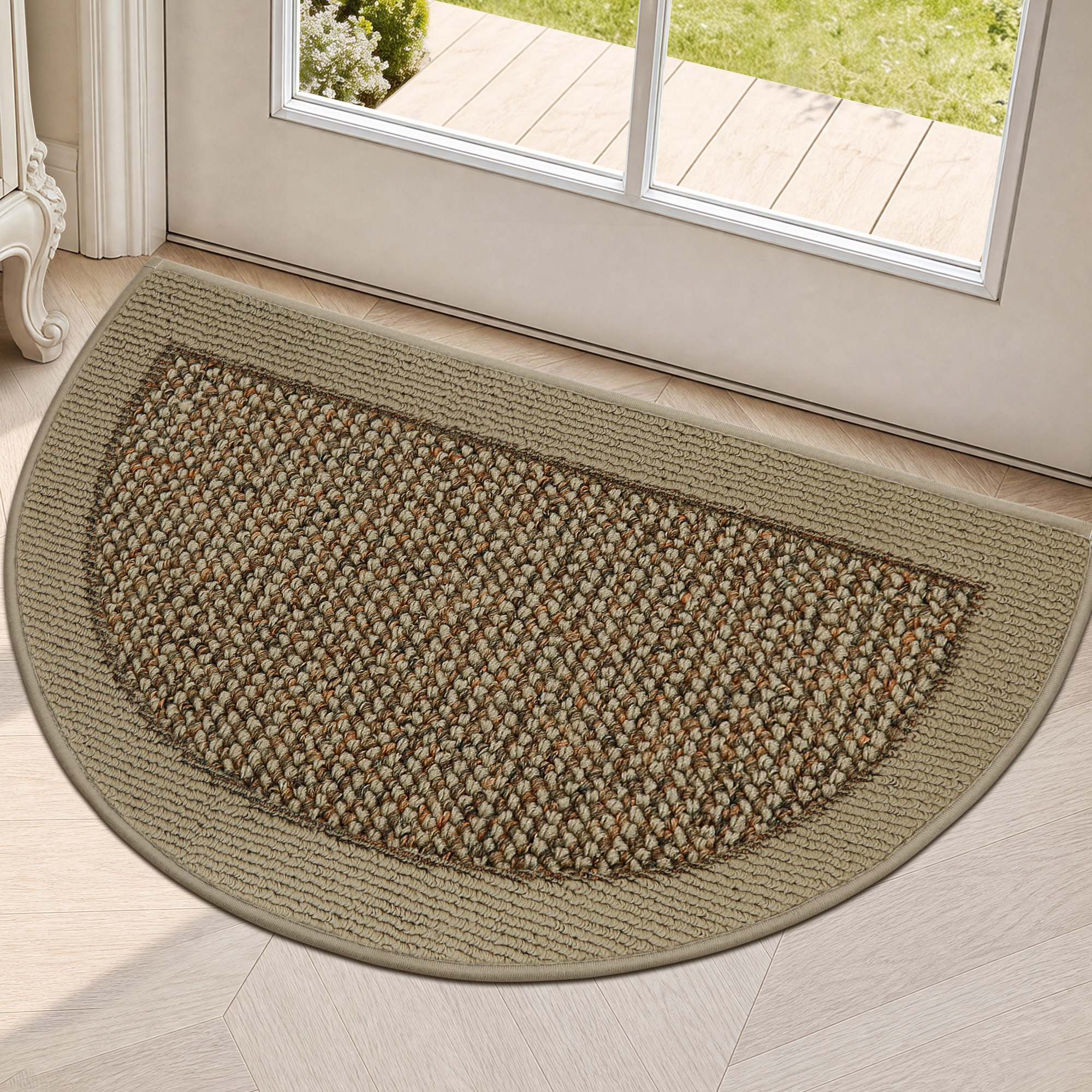
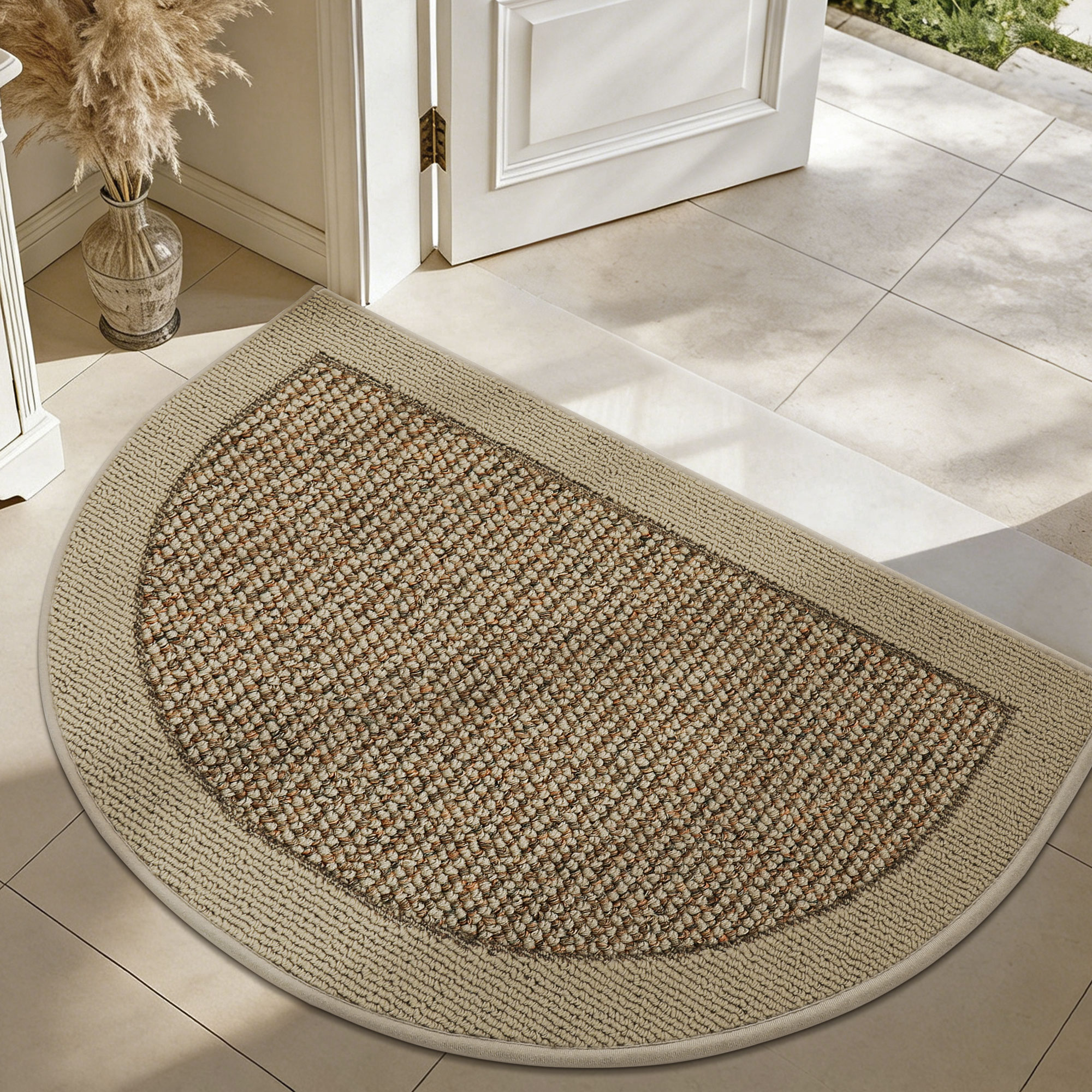
Door Mat Indoor Entrance 32"x48", Non-Slip Entryway Rugs, Beige
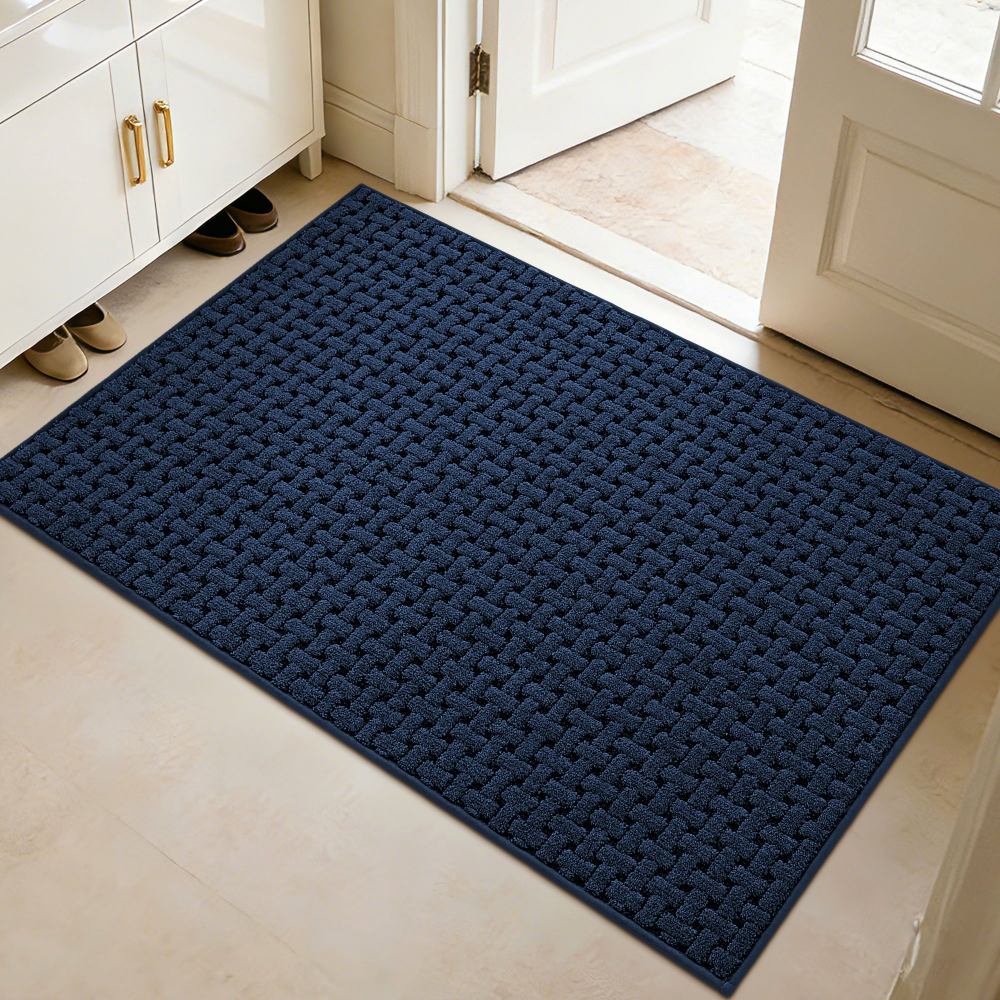
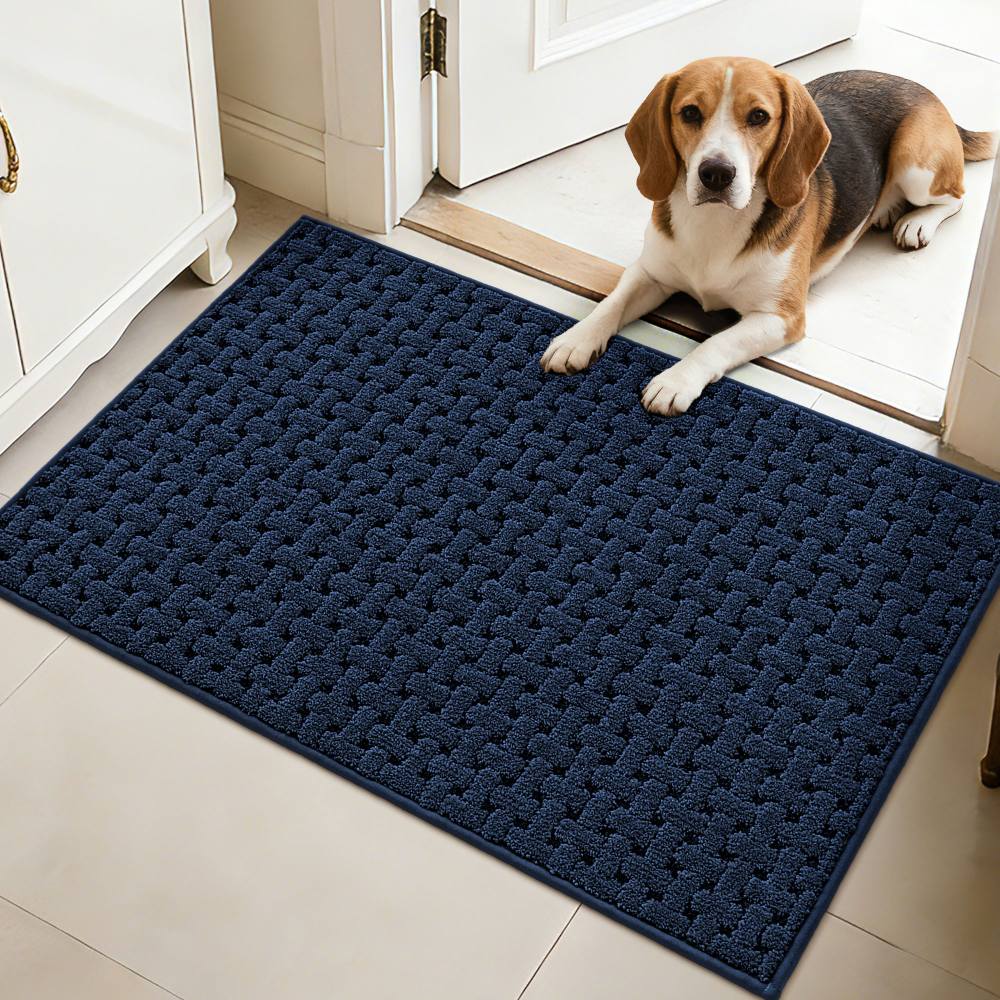
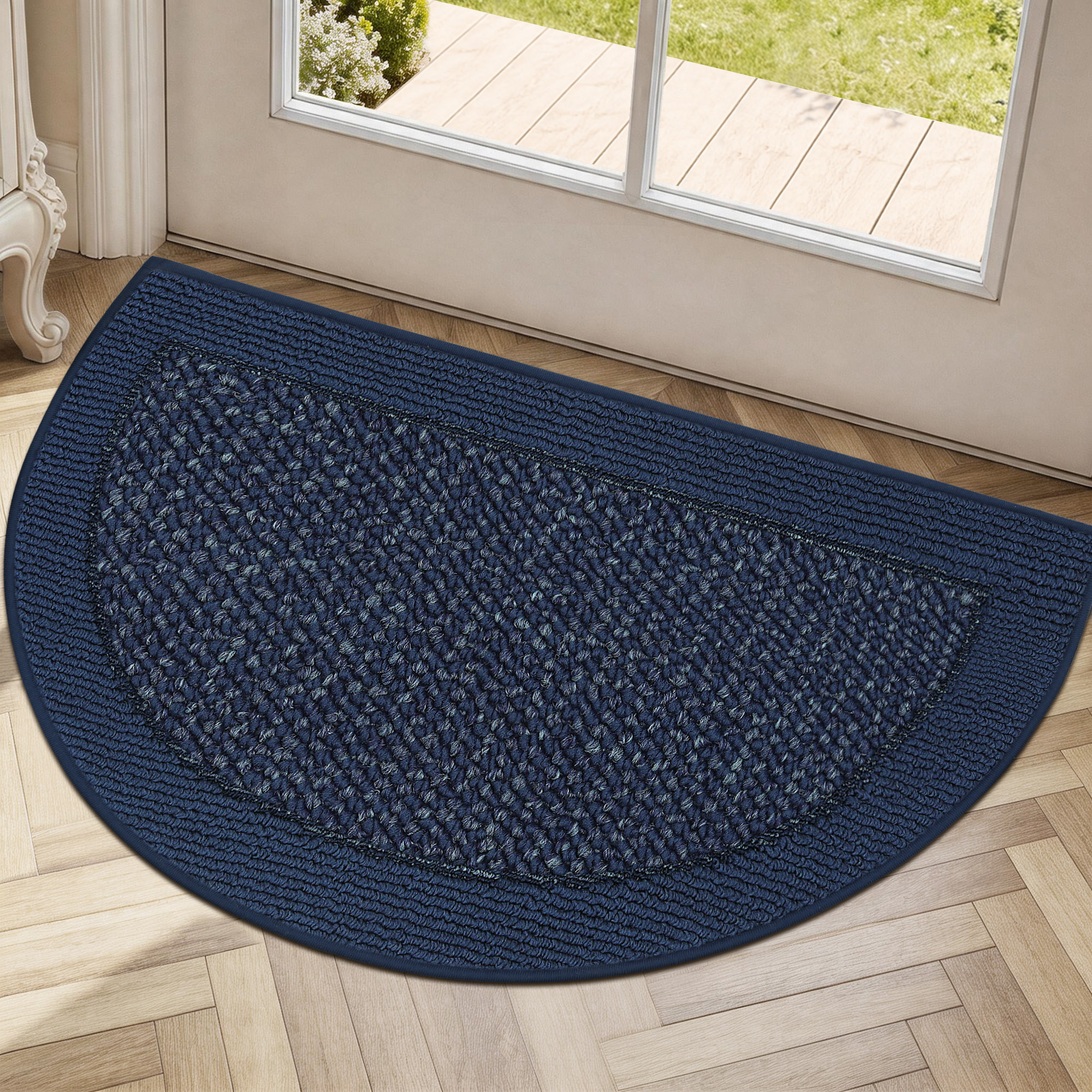
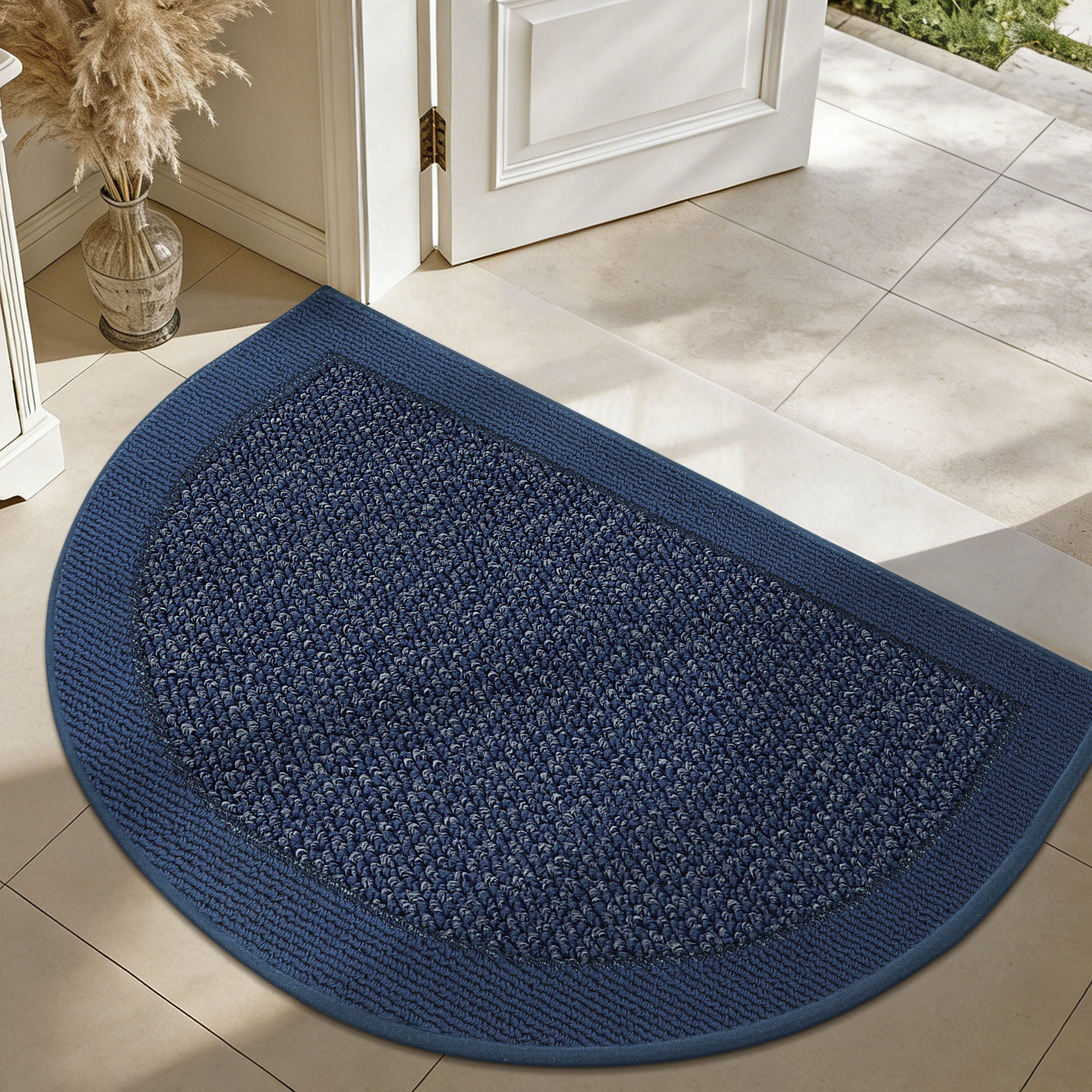
Door Mat Indoor Entrance 32"x48", Non-Slip Entryway Rugs, Blue
Door Mat Indoor Entrance 24"x36", Non-Slip Entryway Rugs, Grey
Door Mat Indoor Entrance 24"x36", Non-Slip Entryway Rugs,Dark Grey
Door Mat Indoor Entrance 24"x36", Non-Slip Entryway Rugs, Brown
Door Mat Indoor Entrance 24"x36", Non-Slip Entryway Rugs, Beige
Door Mat Indoor Entrance 24"x36", Non-Slip Entryway Rugs, Blue
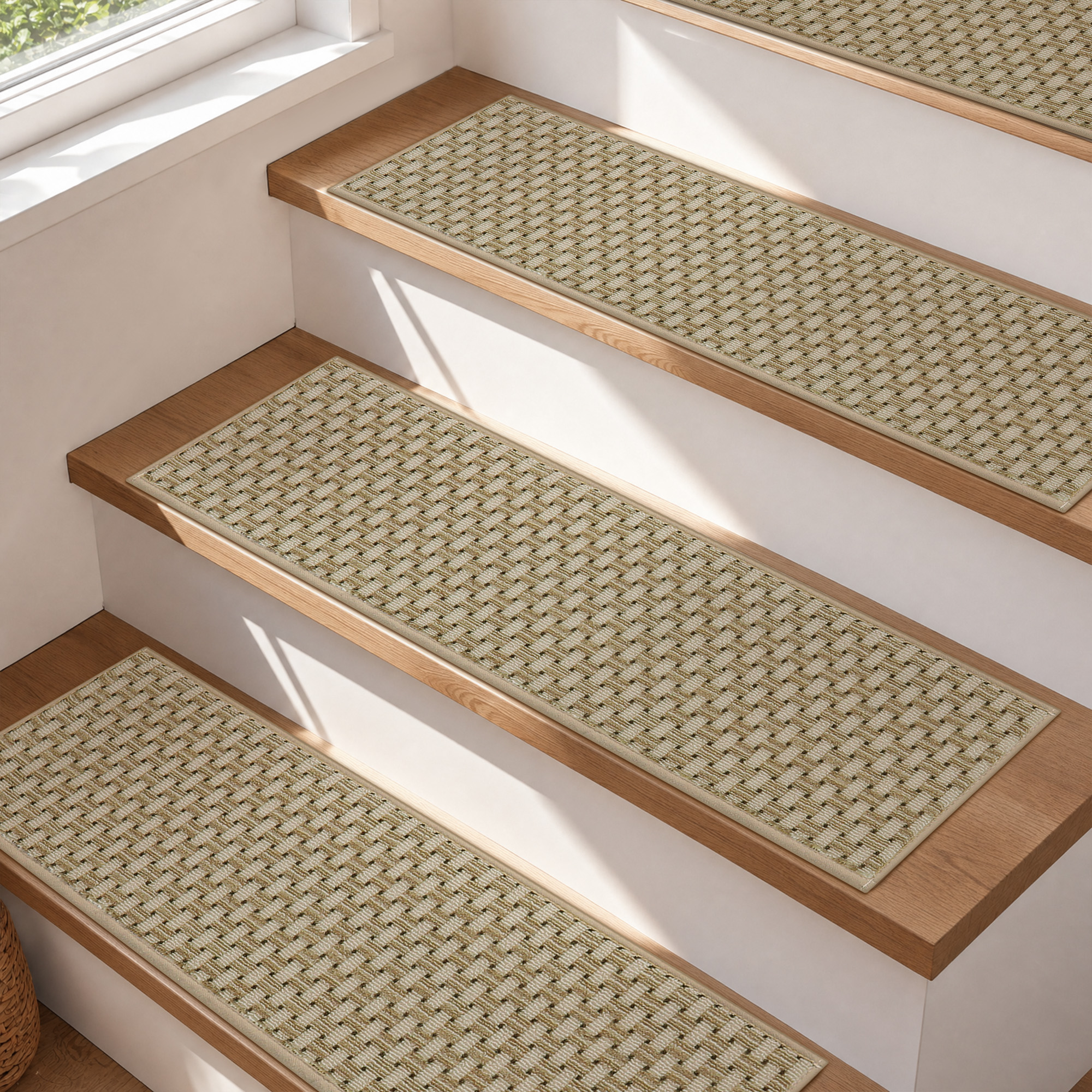
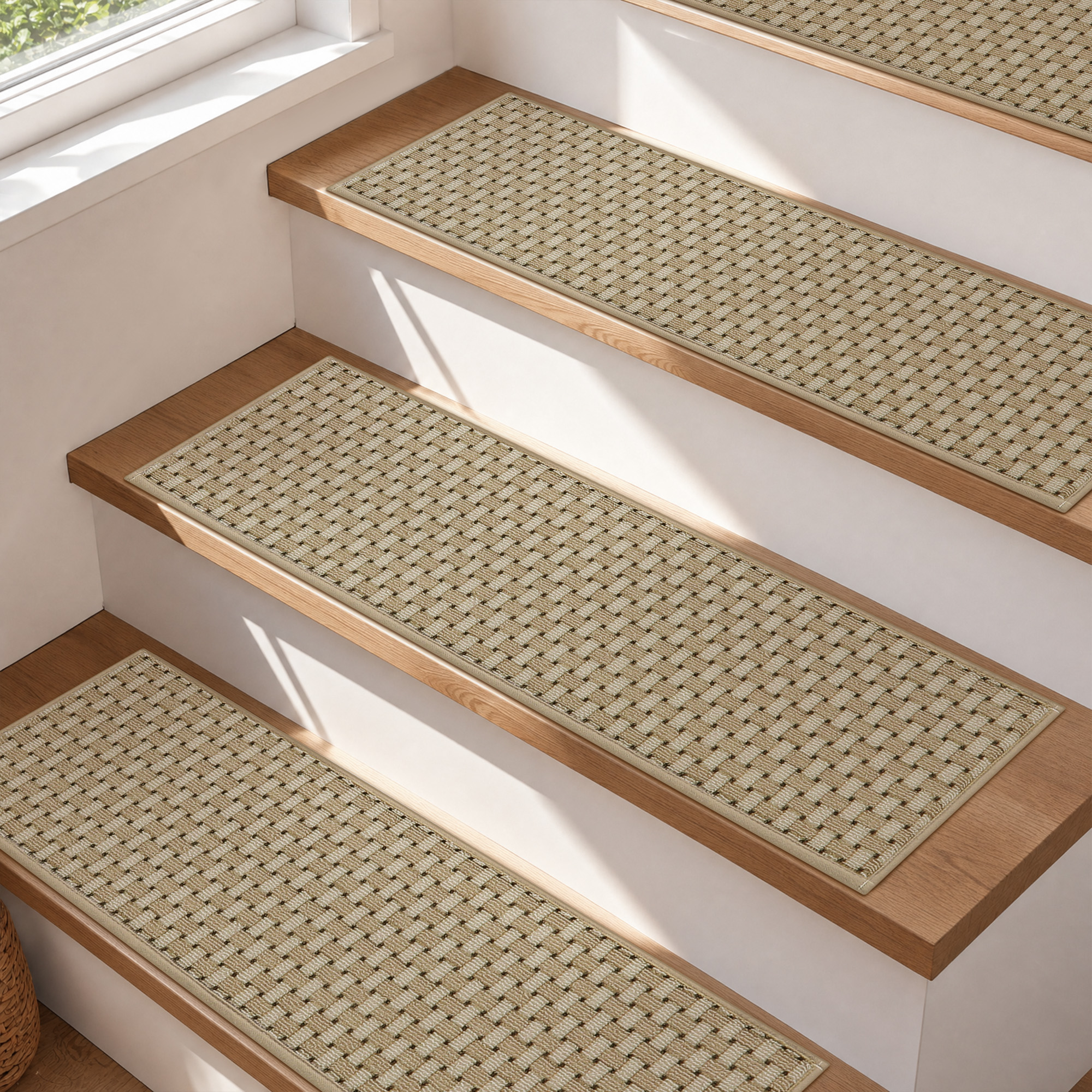
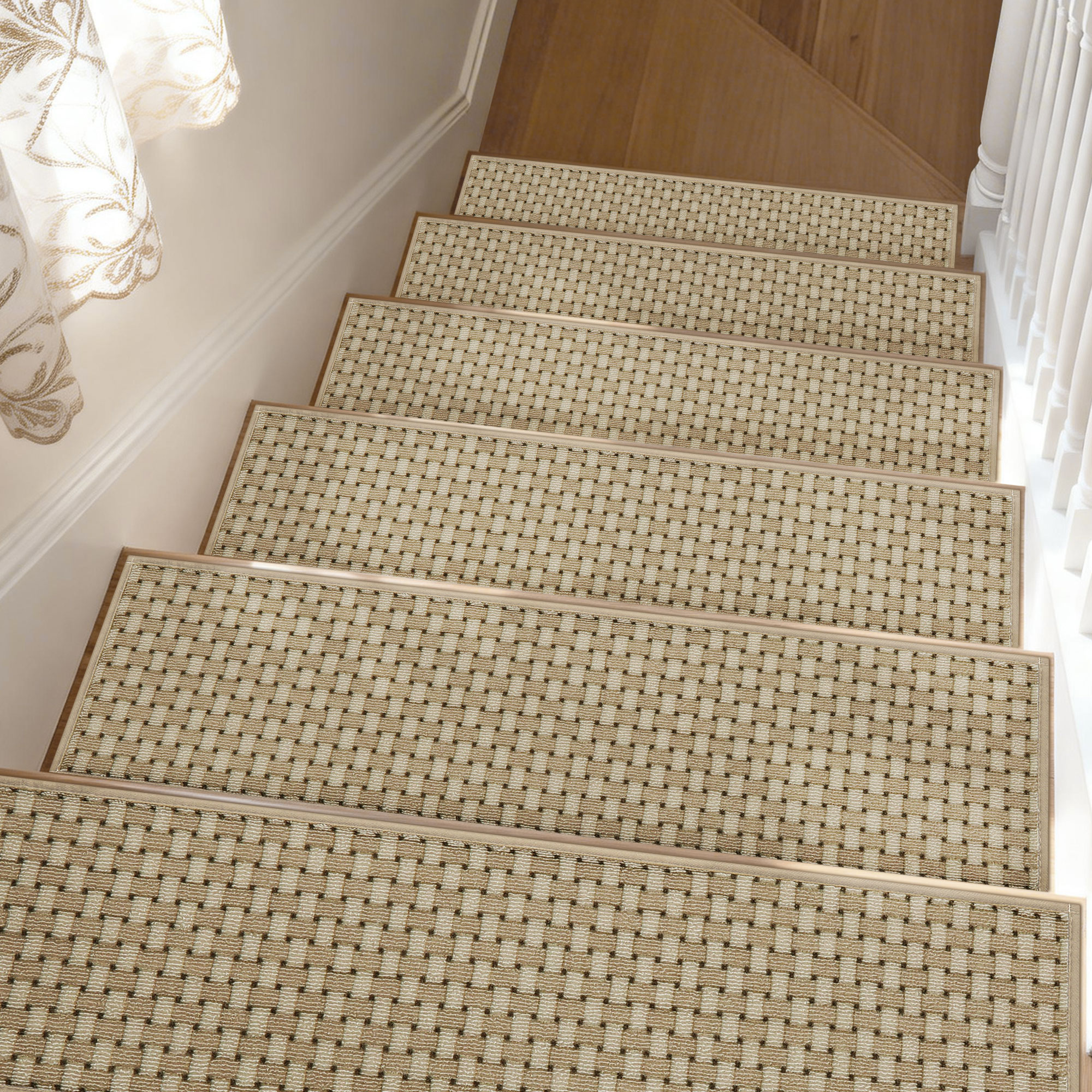
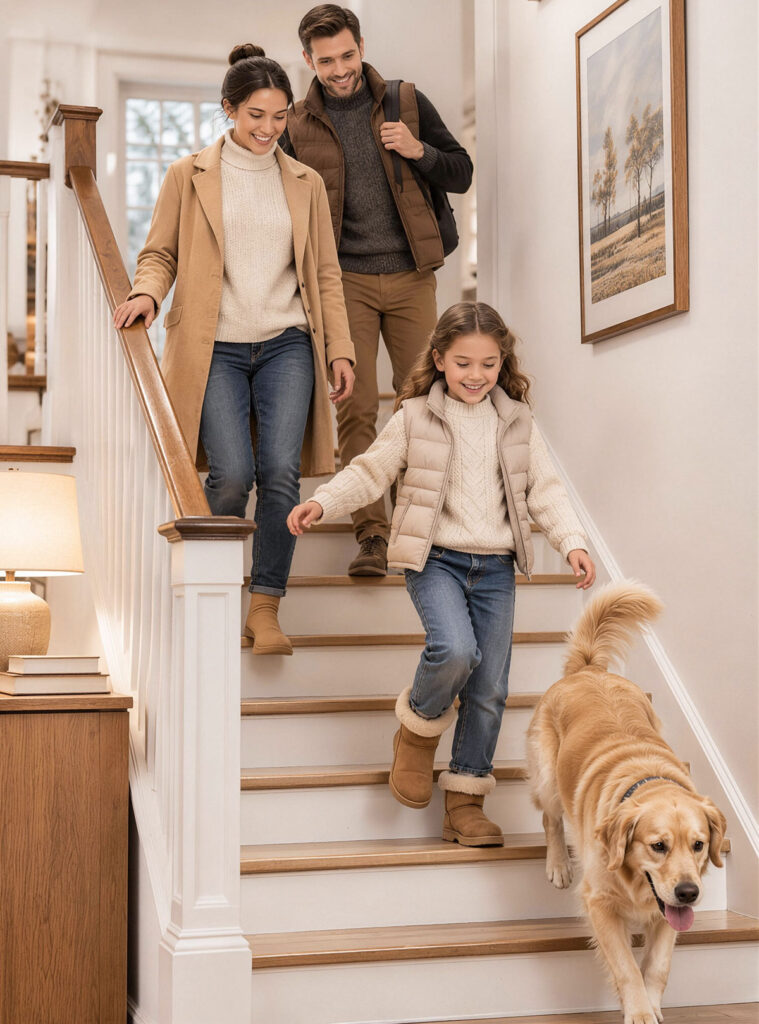
Stair Treads Non Slip for Wooden Steps 8x30in, 4pcs, Light Beige
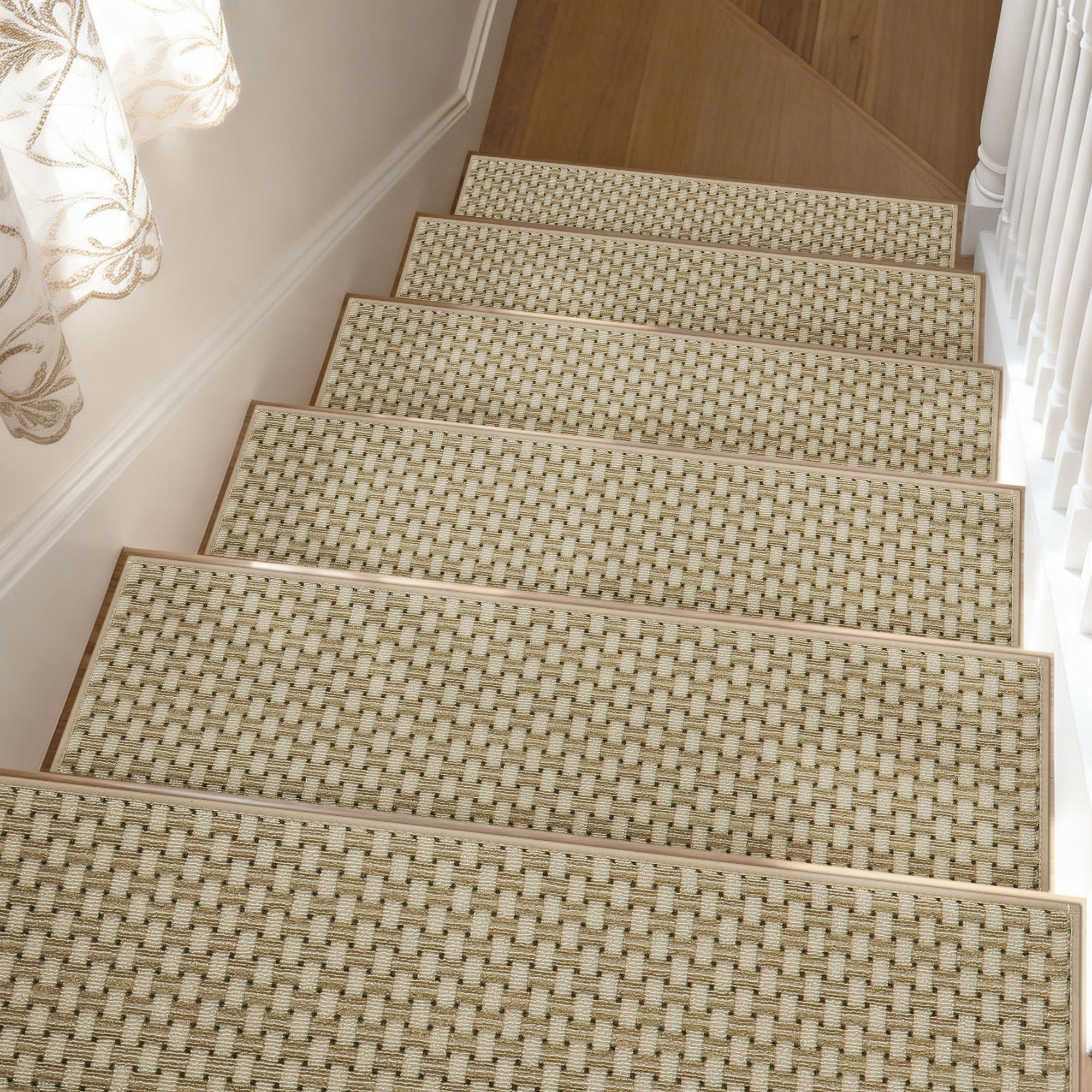
Stair Treads Non Slip for Wooden Steps 8x30in, 15pcs, Light Beige
Stair Treads Non Slip for Wooden Steps 8x30in, 4pcs, Beige
Stair Treads Non Slip for Wooden Steps 8x30in, 15pcs, Beige
Dirt Trapper Door Mats 17" x 30", Non-Slip & Washable, Beige
Dirt Trapper Door Mats 17" x 30", Non-Slip & Washable, Brown
Dirt Trapper Door Mats 17" x 30", Non-Slip & Washable, Dark Grey
Dirt Trapper Door Mats 17" x 30", Non-Slip & Washable, Blue
Dirt Trapper Door Mats 24" x 36", Non-Slip & Washable, Beige
Door Mat Indoor Entrance 24"x36", Non-Slip Entryway Rugs, Grey
Dirt Trapper Door Mats 24" x 36", Non-Slip & Washable, Dark Grey
Door Mat Indoor Entrance 24"x36", Non-Slip Entryway Rugs, Brown
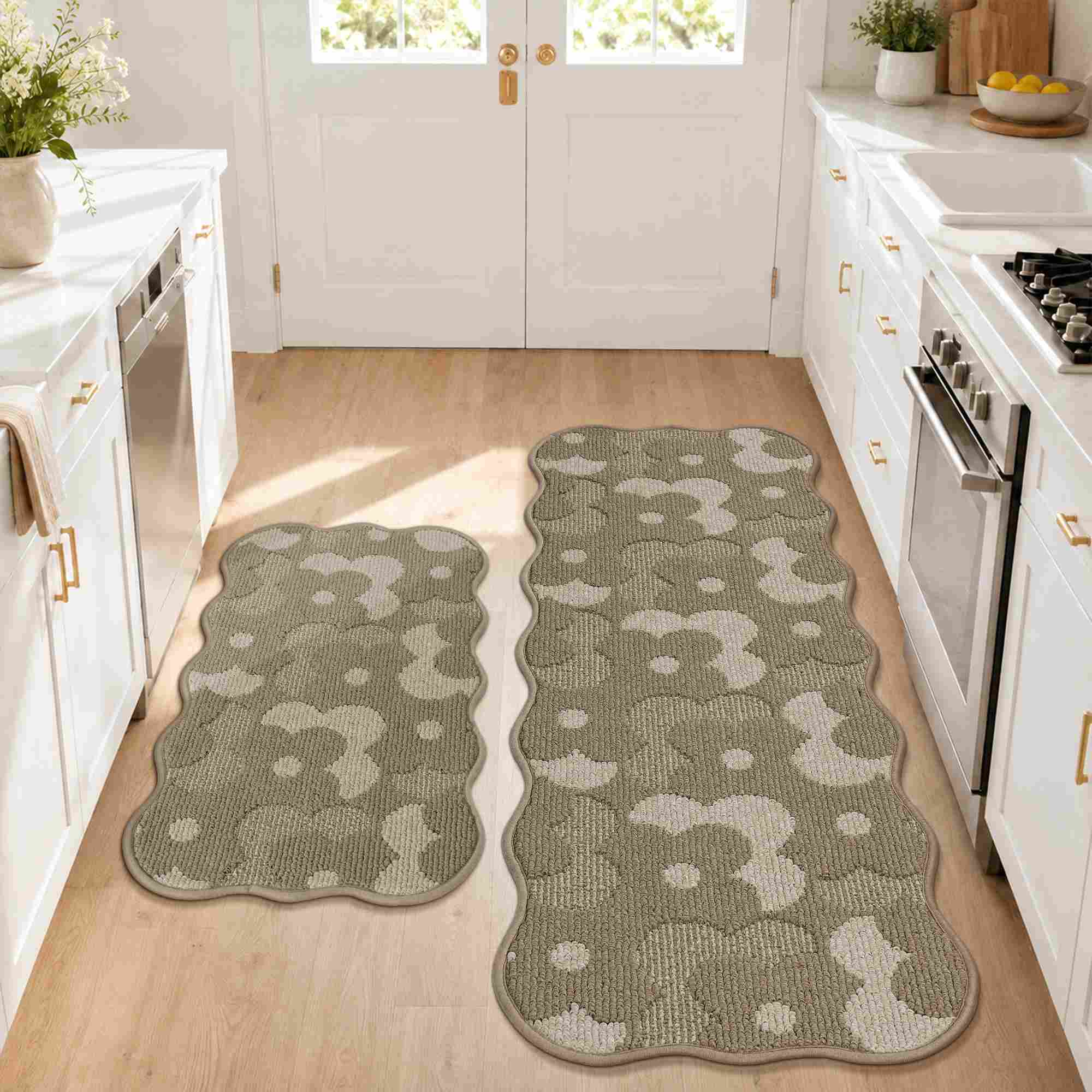
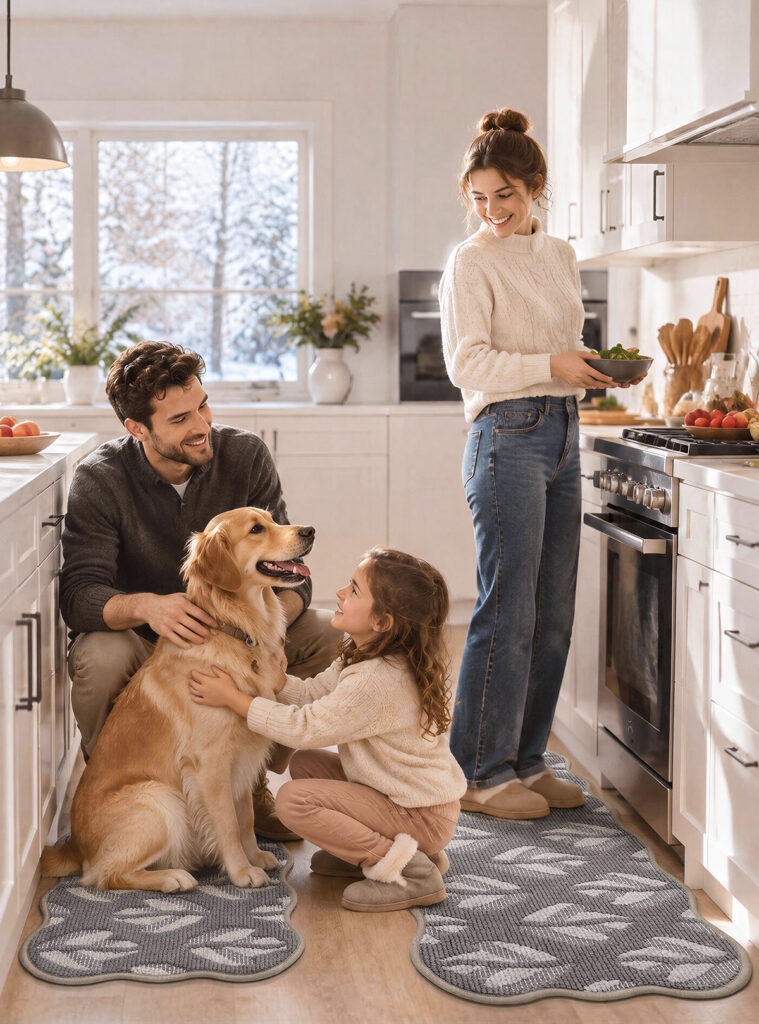
Kitchen Rugs 2PCS Non Slip Kitchen Mats for Floor, Flower/Beige
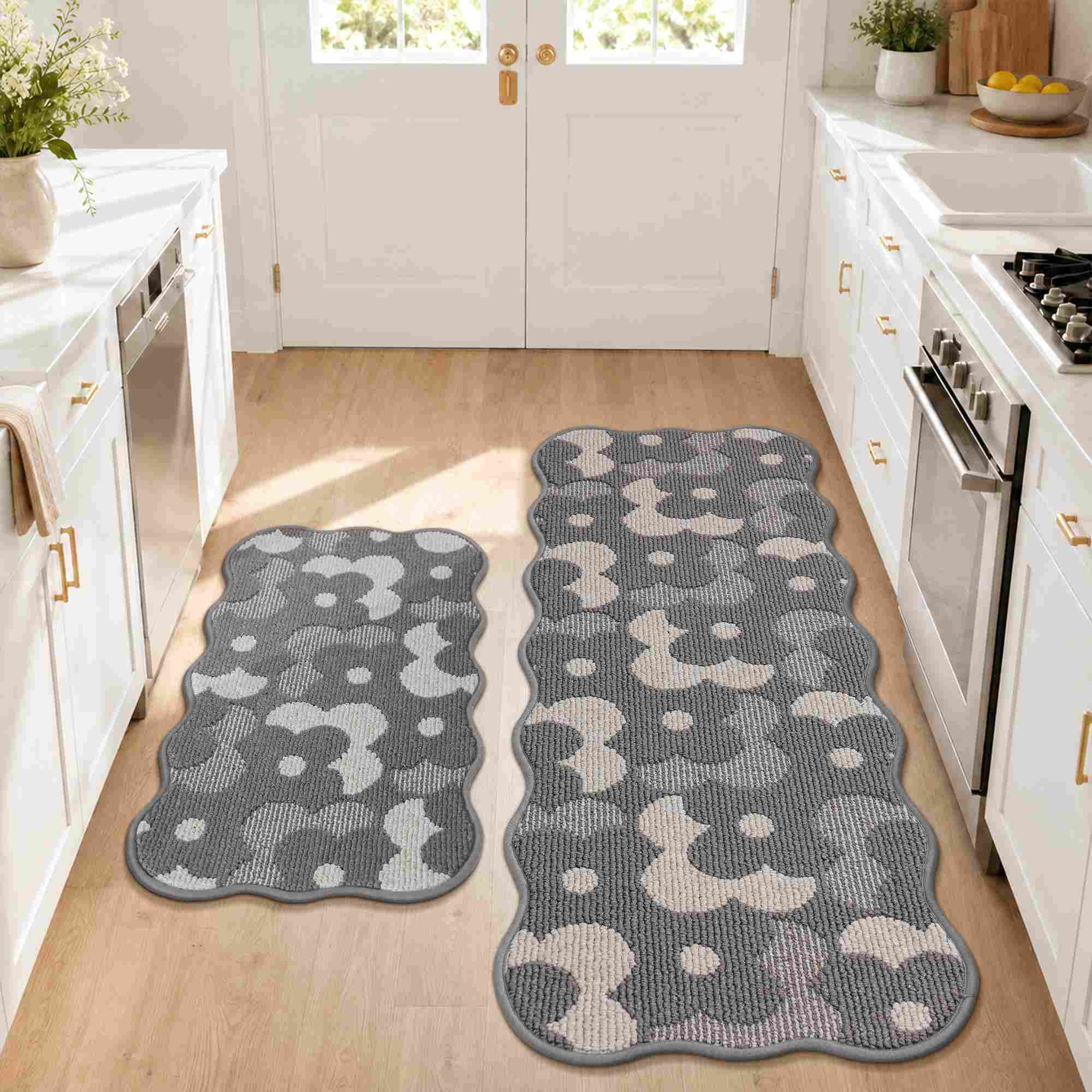
Kitchen Rugs 2PCS Non Slip Kitchen Mats for Floor, Flower/Grey
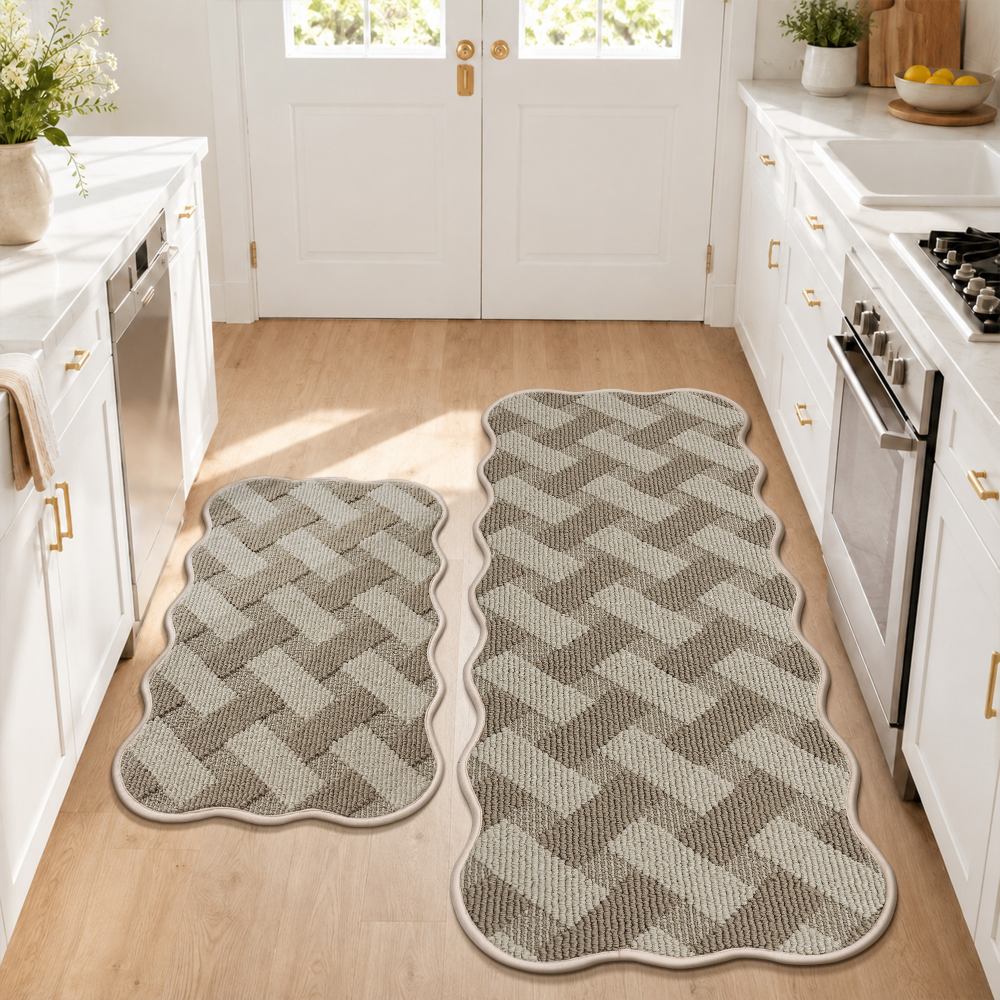
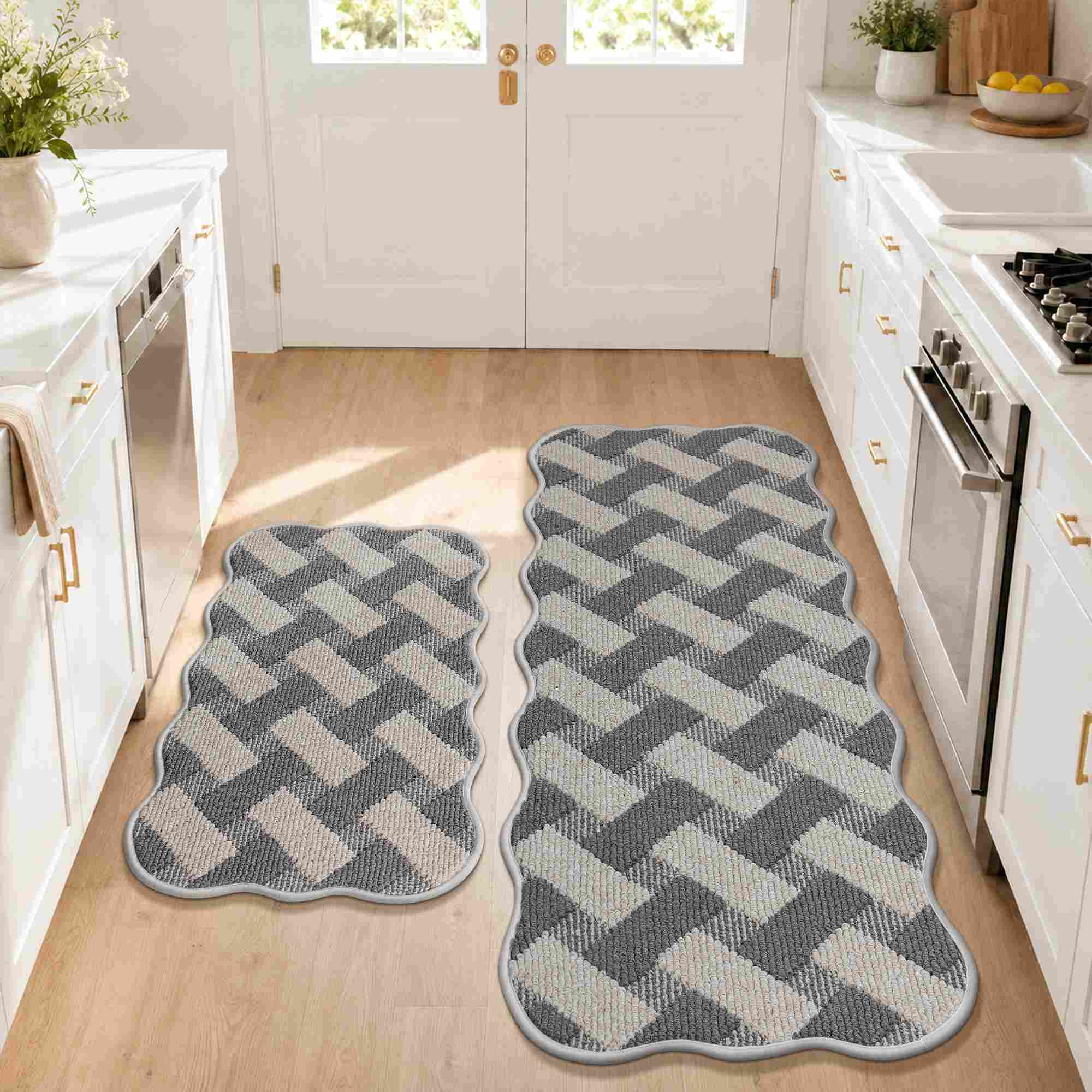
Kitchen Rugs 2PCS Non Slip Kitchen Mats for Floor, Weave/Beige
Kitchen Rugs 2PCS Non Slip Kitchen Mats for Floor, Weave/Grey
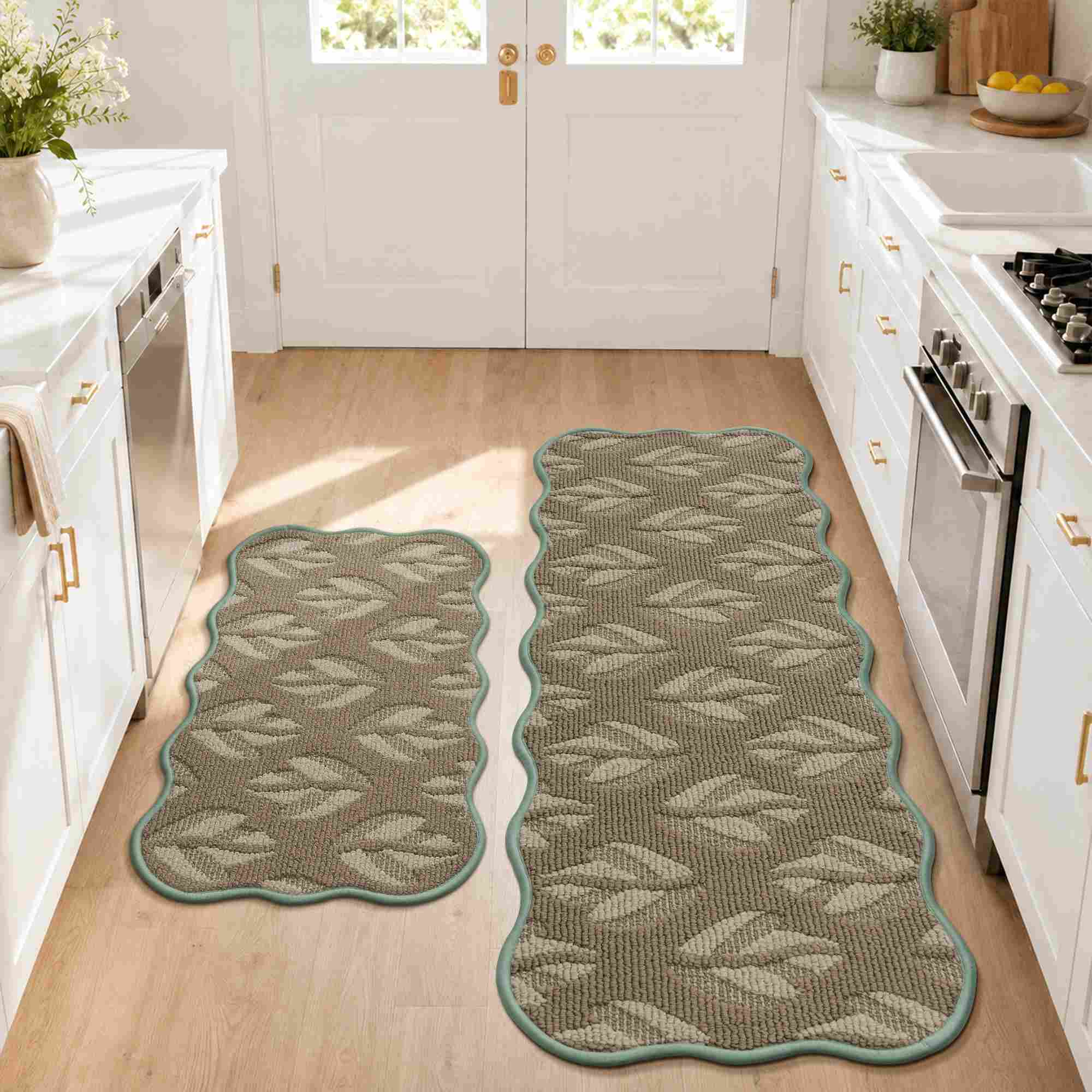
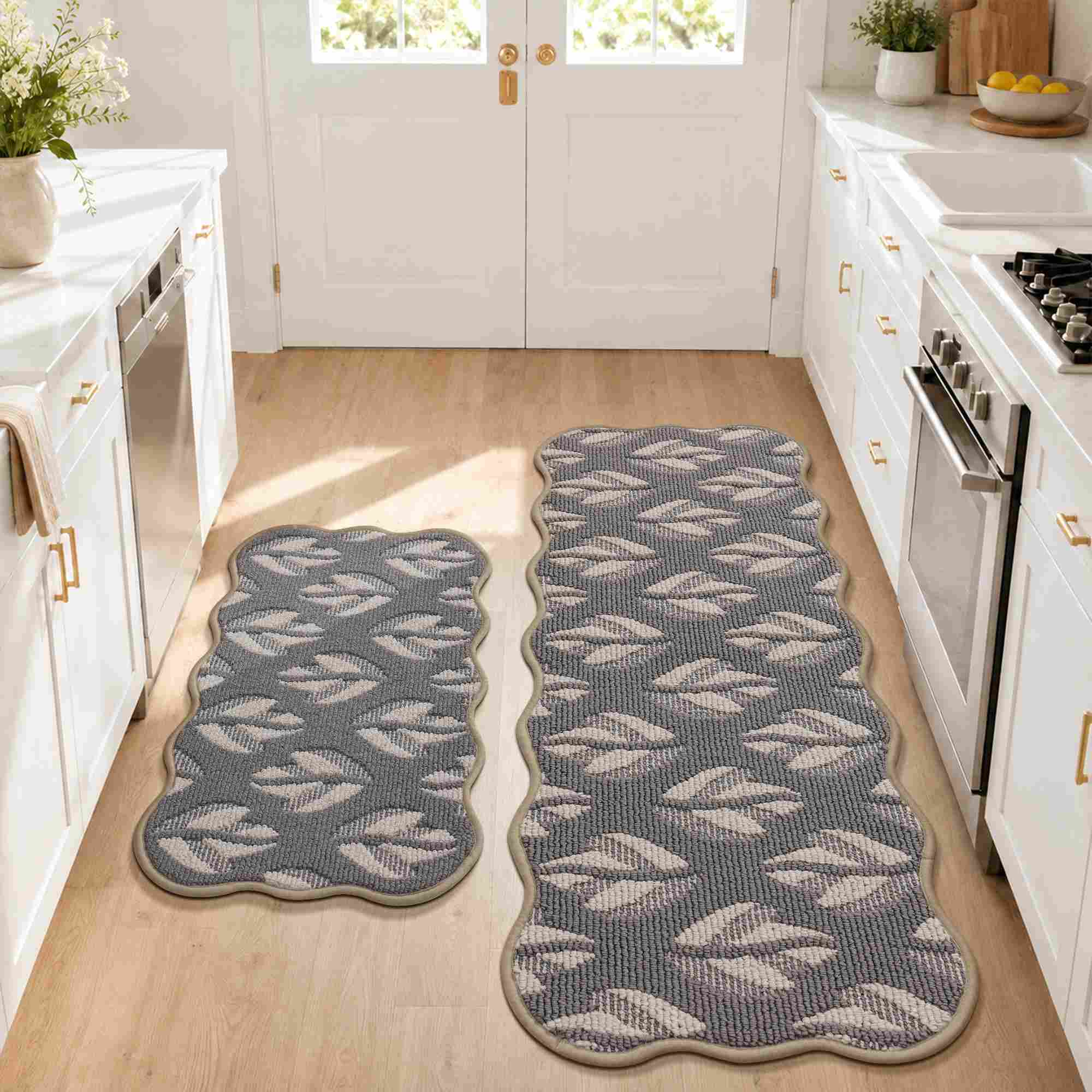
Kitchen Rugs 2PCS Non Slip Kitchen Mats for Floor, Leaf/Beige
Kitchen Rugs 2PCS Non Slip Kitchen Mats for Floor, Leaf/Grey