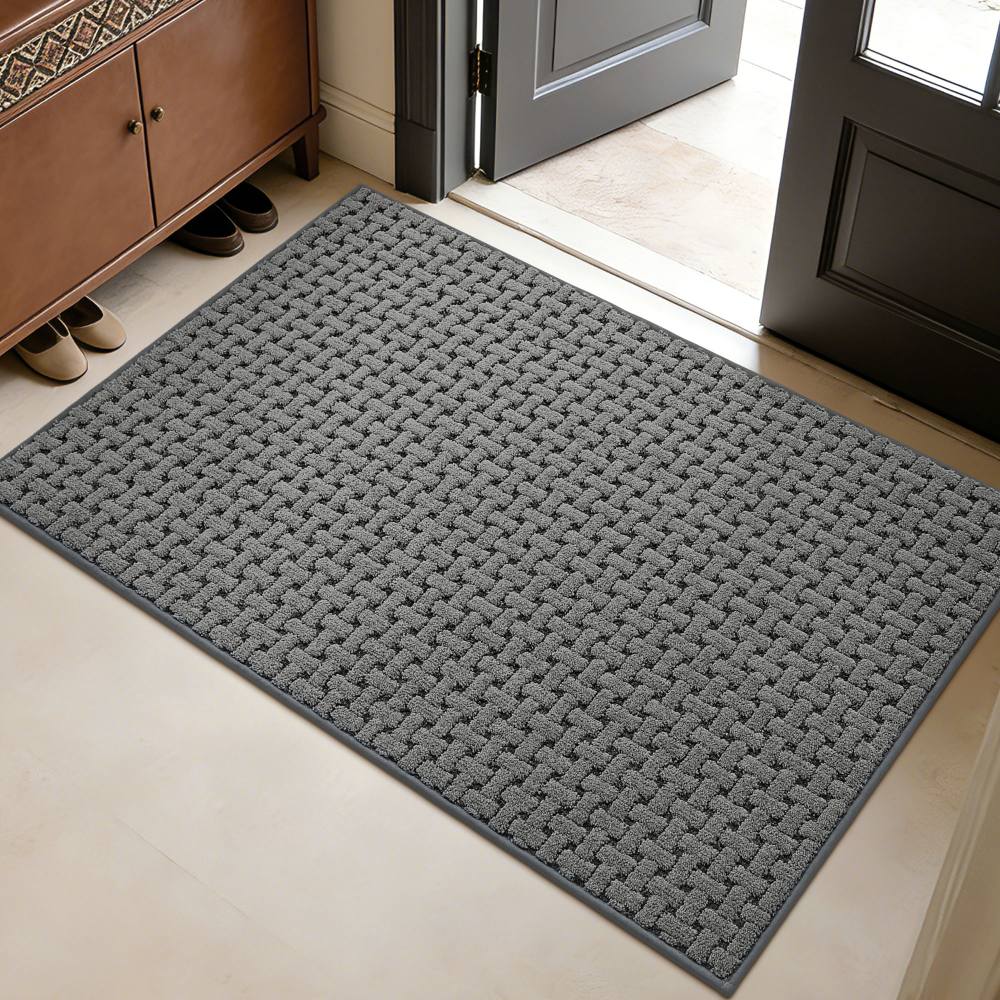
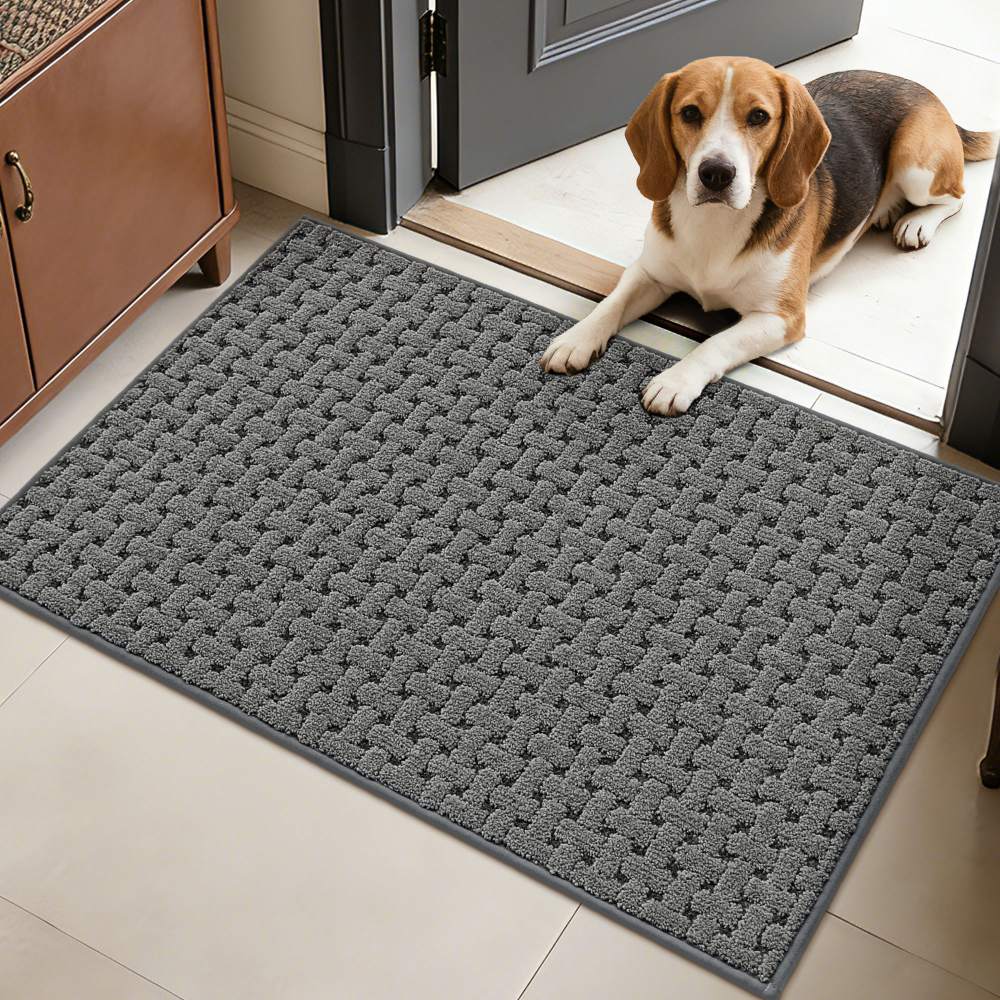
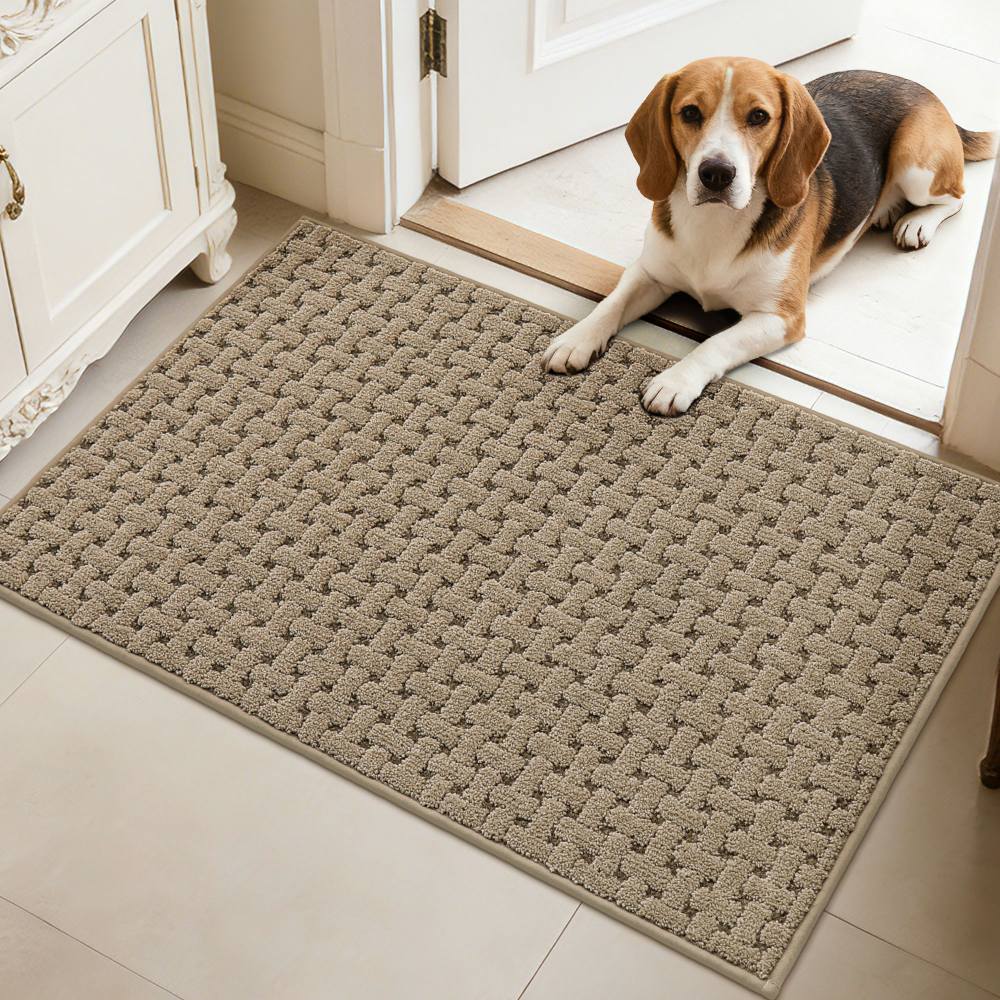
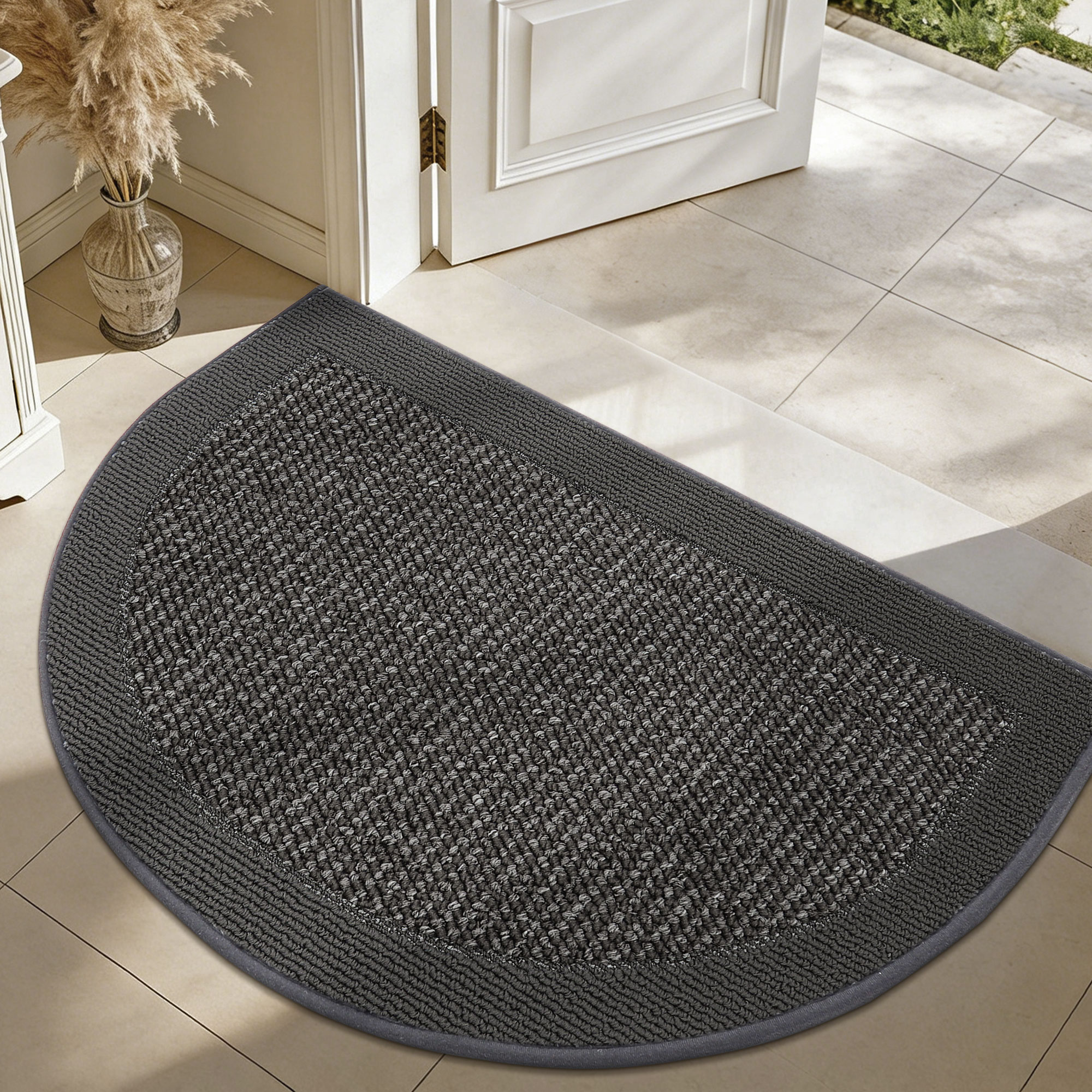
Door Mat Indoor Entrance 32"x48", Non-Slip Entryway Rugs, Grey
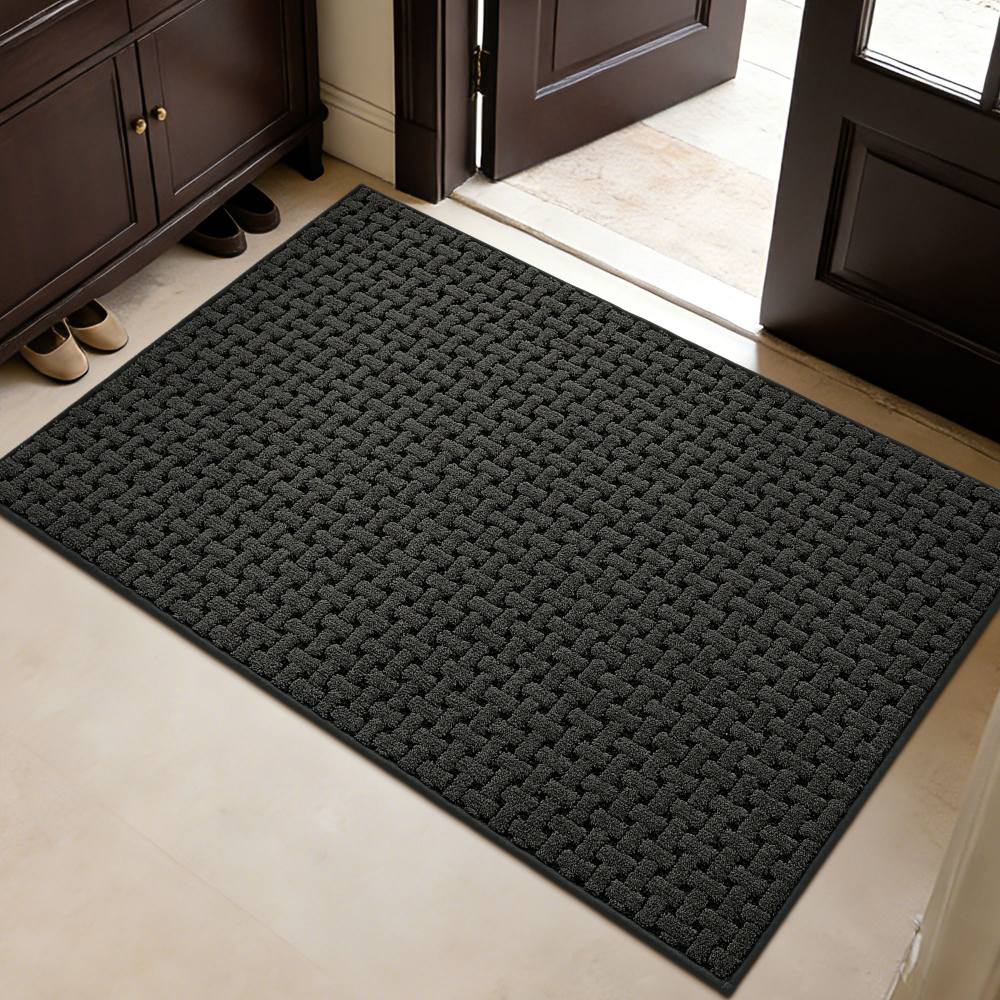
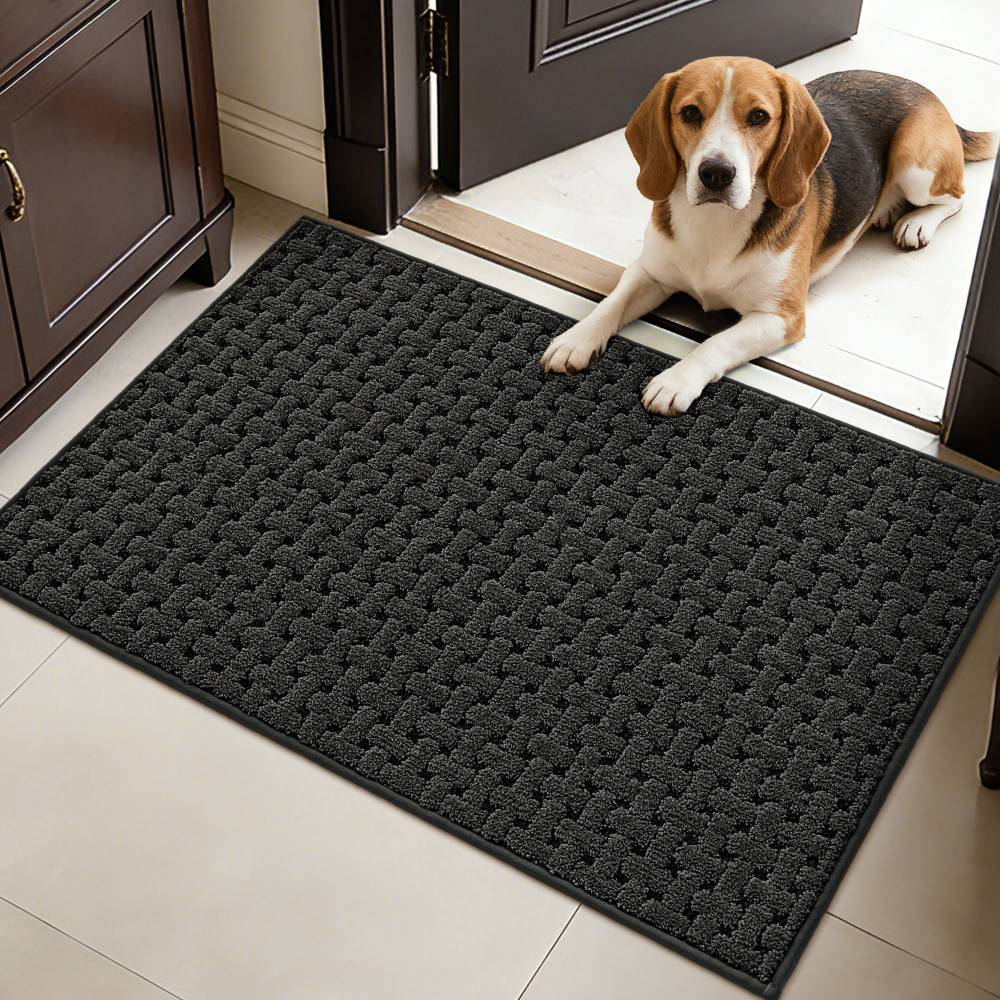
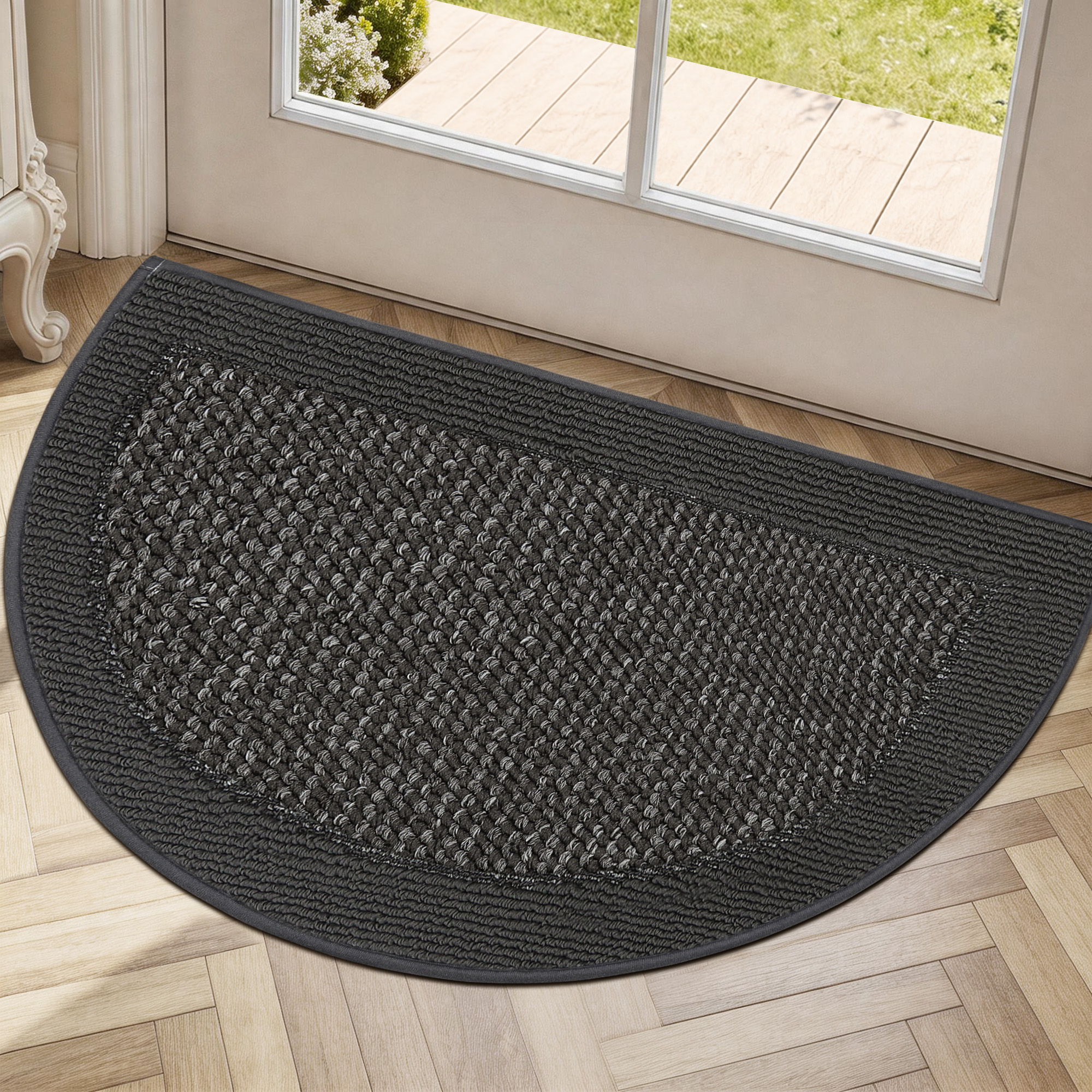
Door Mat Indoor Entrance 32"x48", Non-Slip Entryway Rugs,Dark Grey
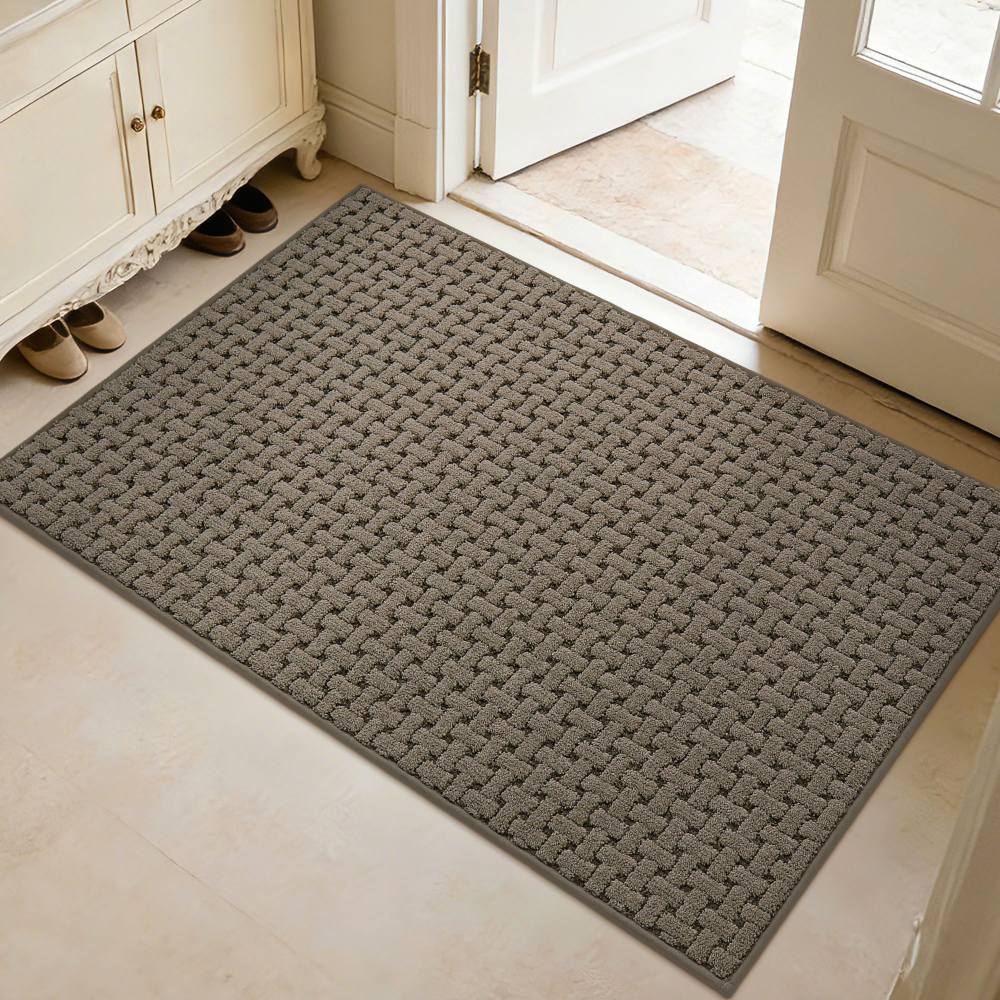
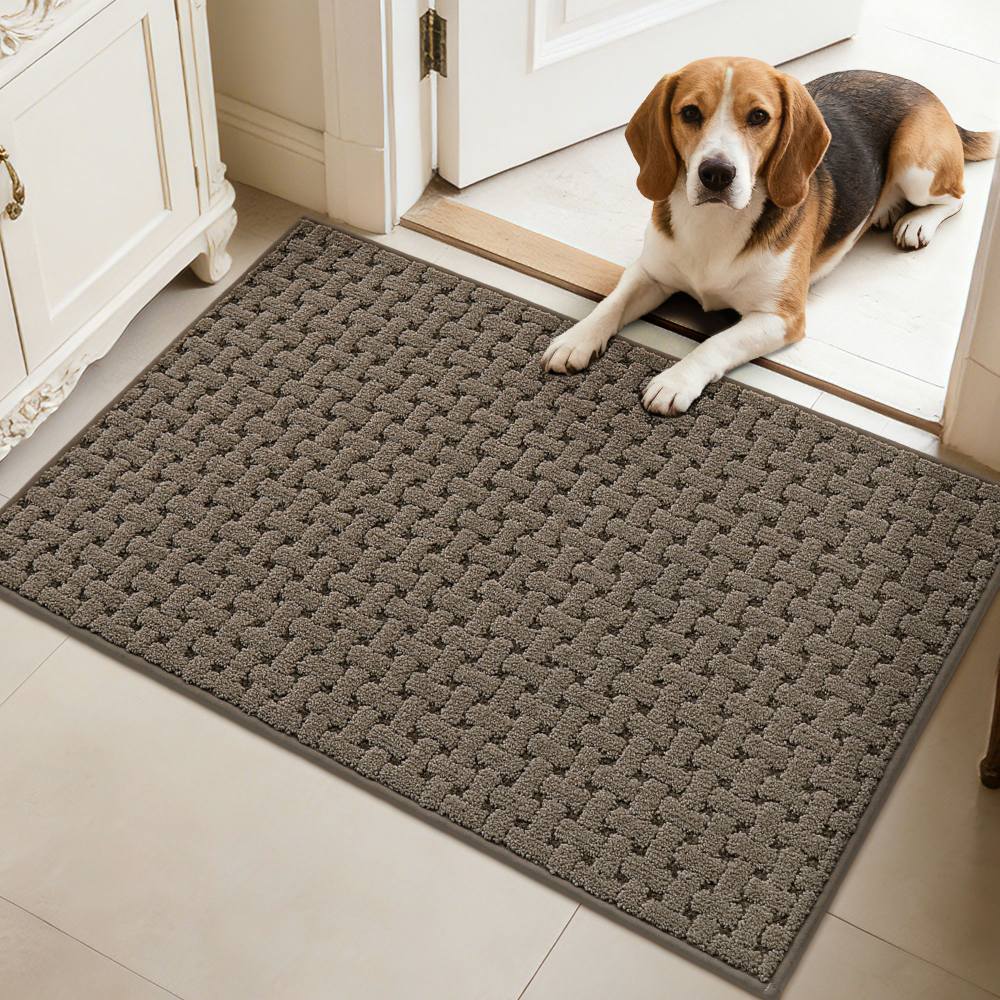
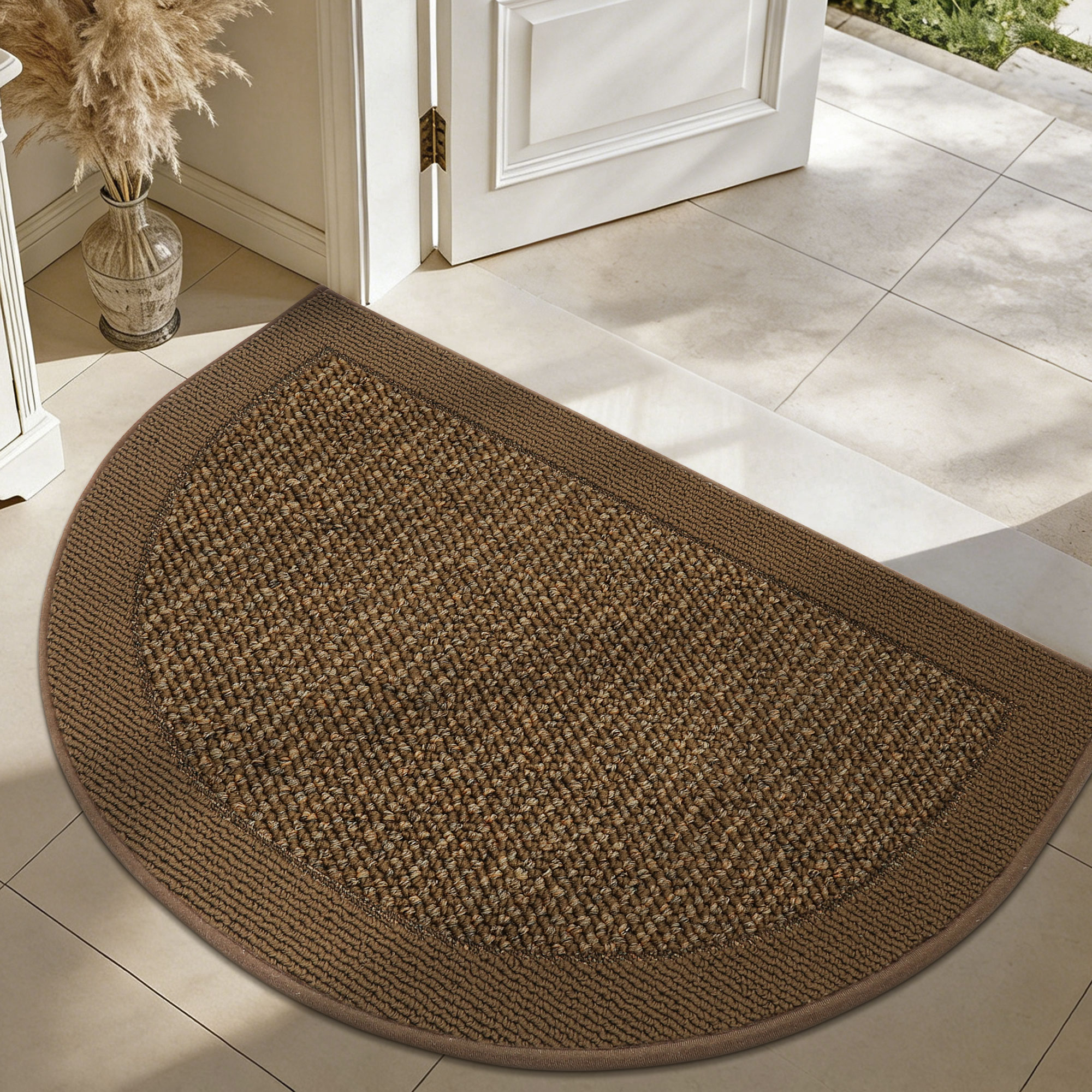
Door Mat Indoor Entrance 32"x48", Non-Slip Entryway Rugs, Brown
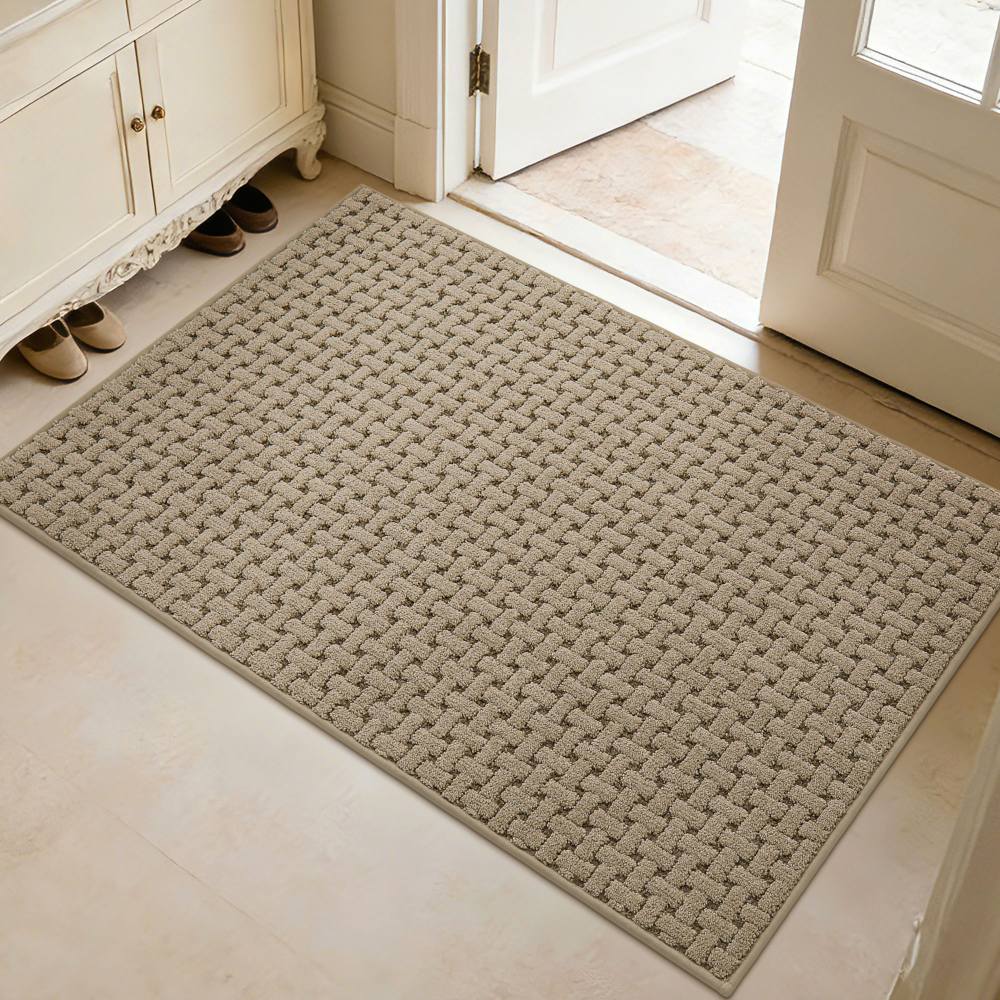
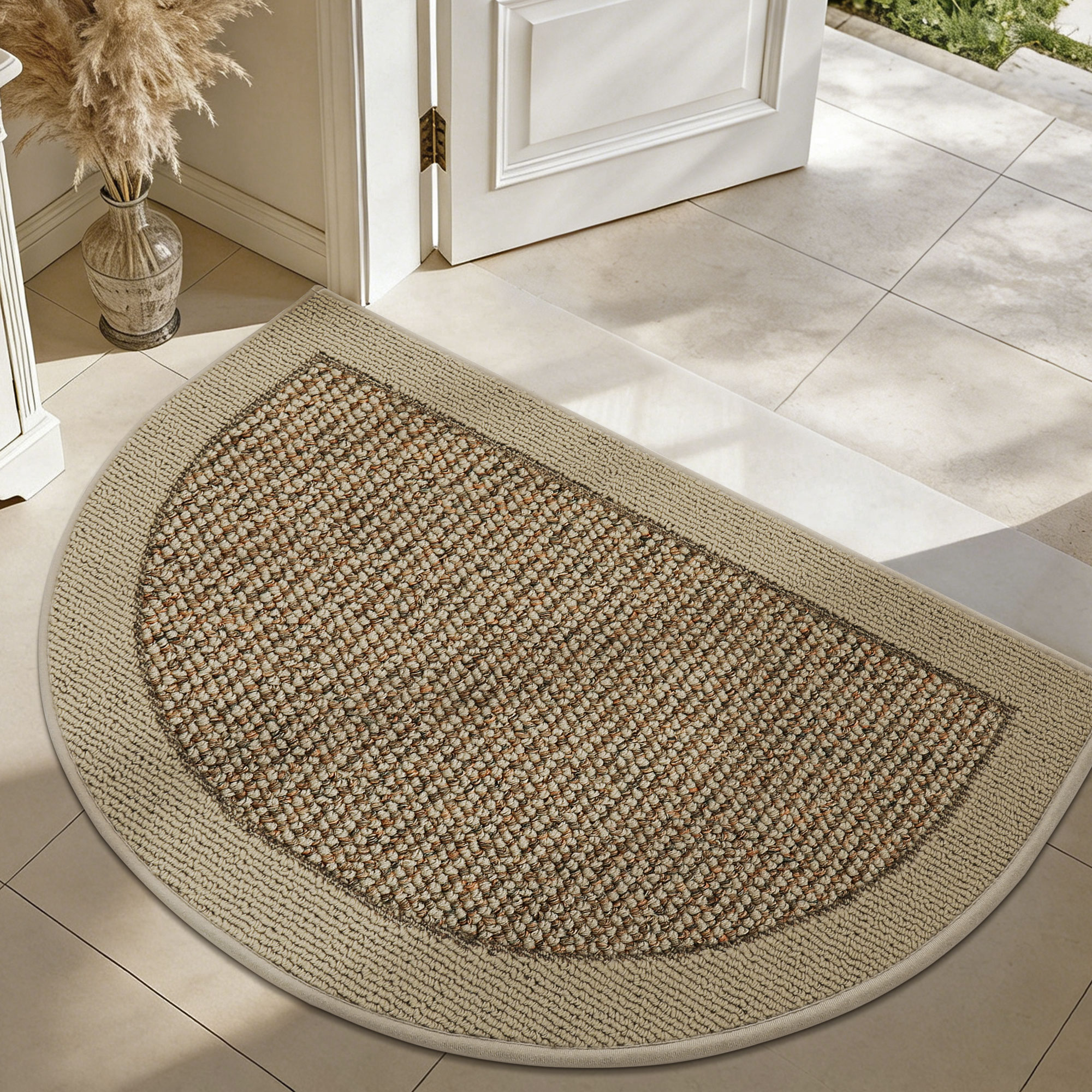
Door Mat Indoor Entrance 32"x48", Non-Slip Entryway Rugs, Beige
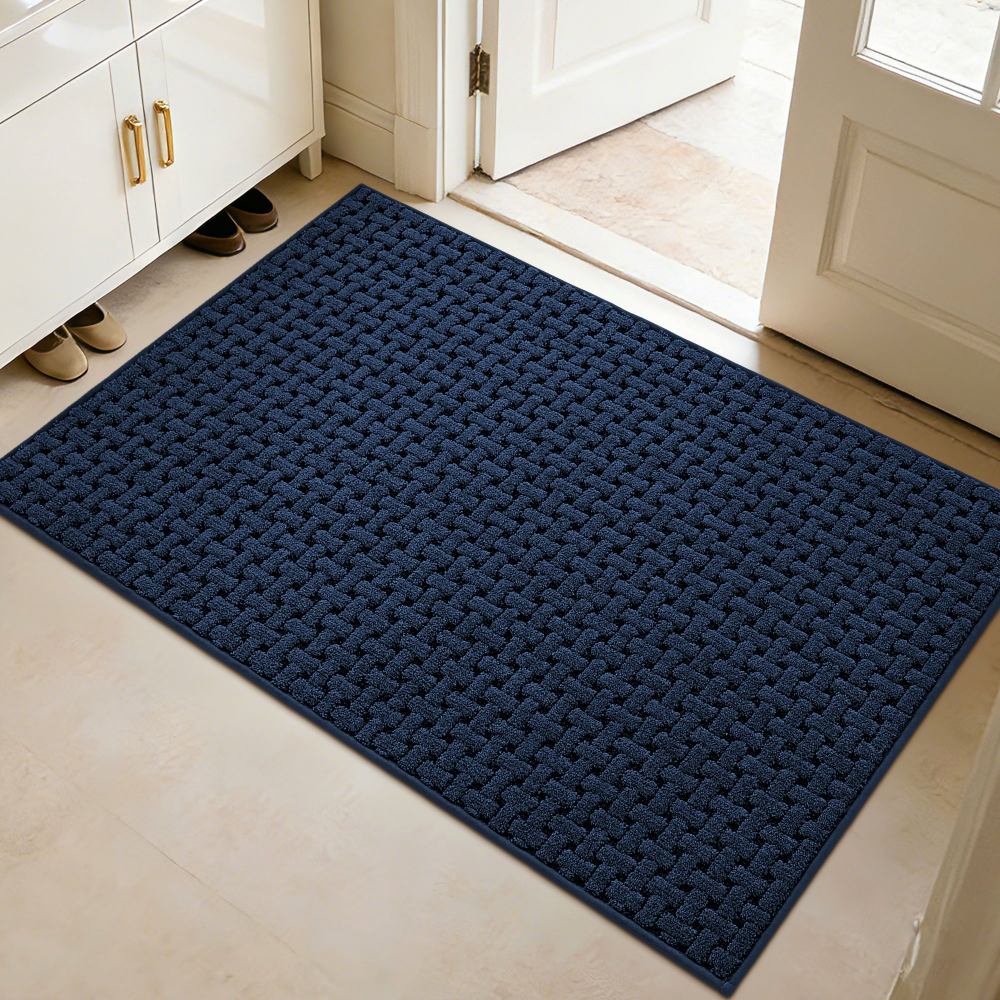
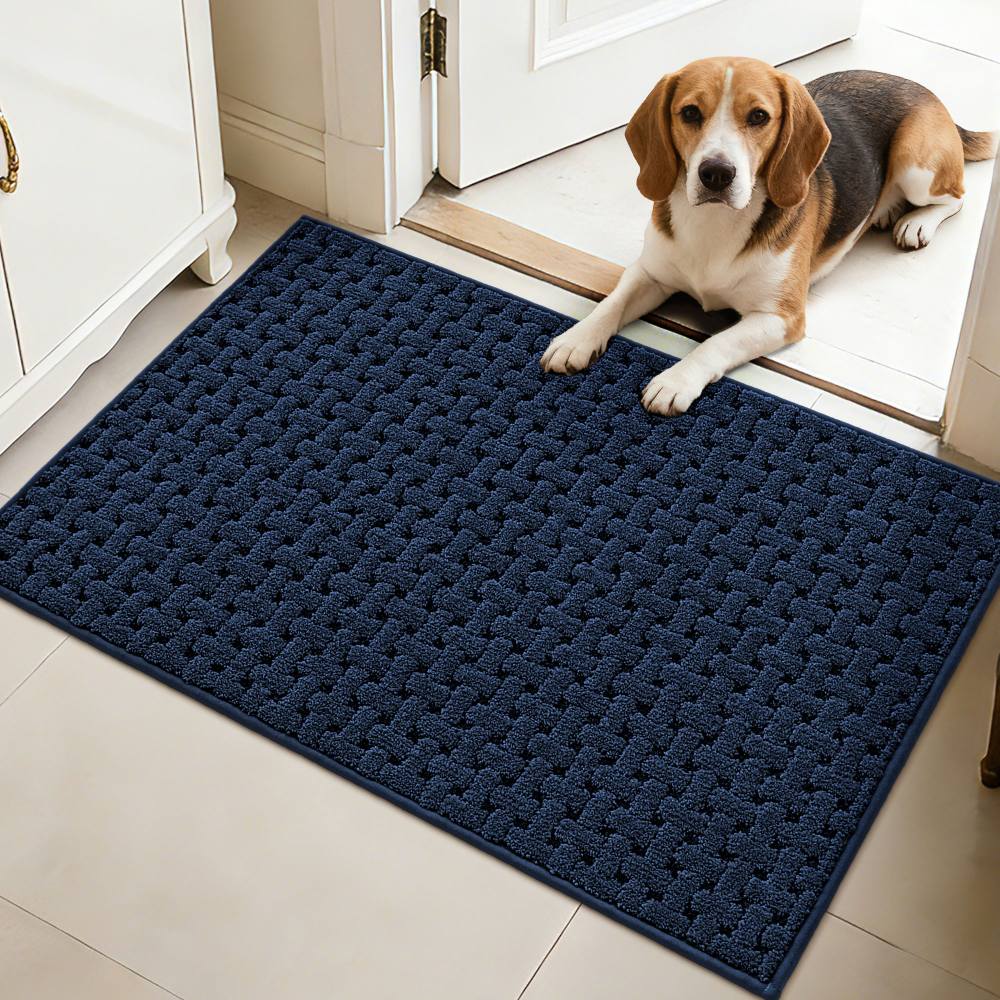
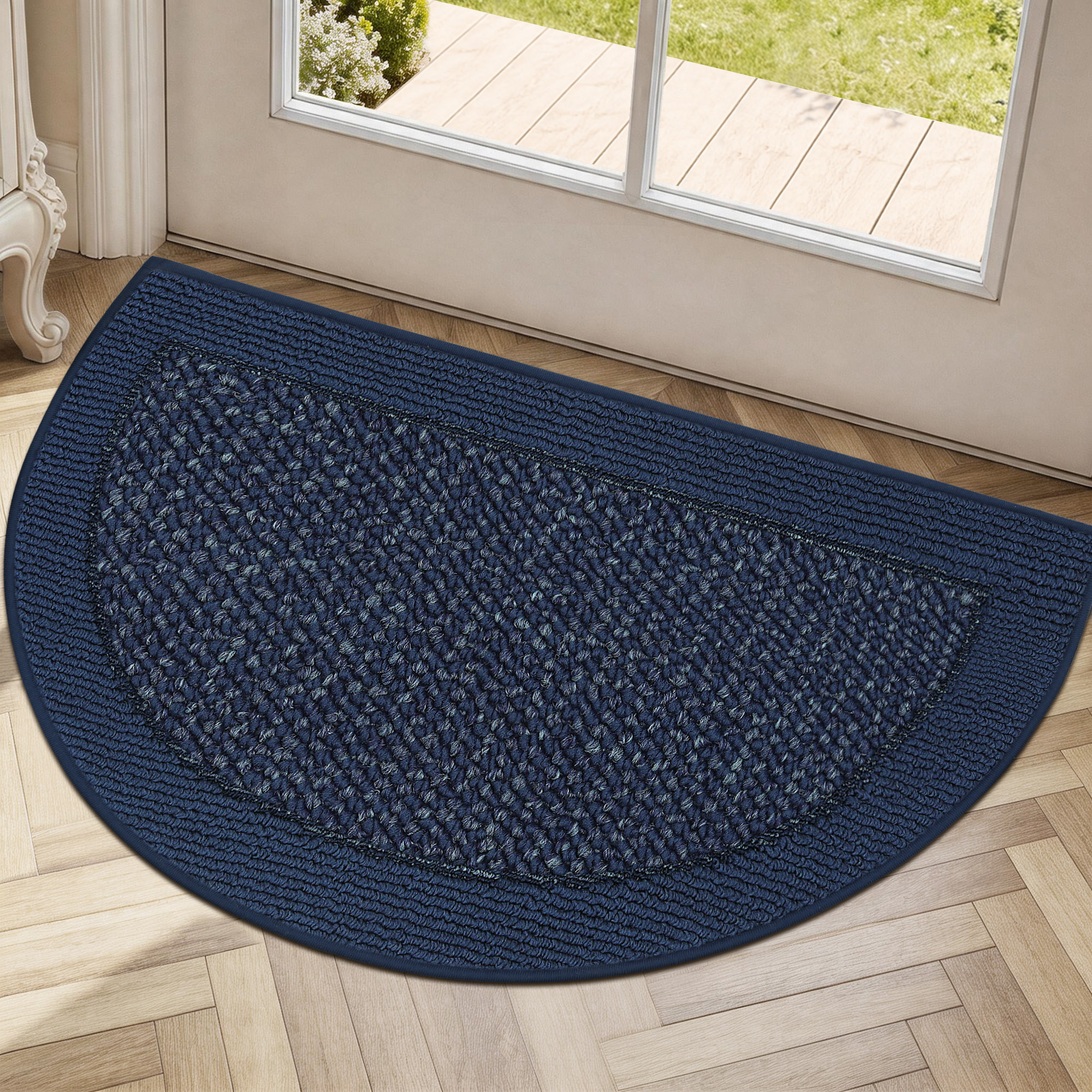
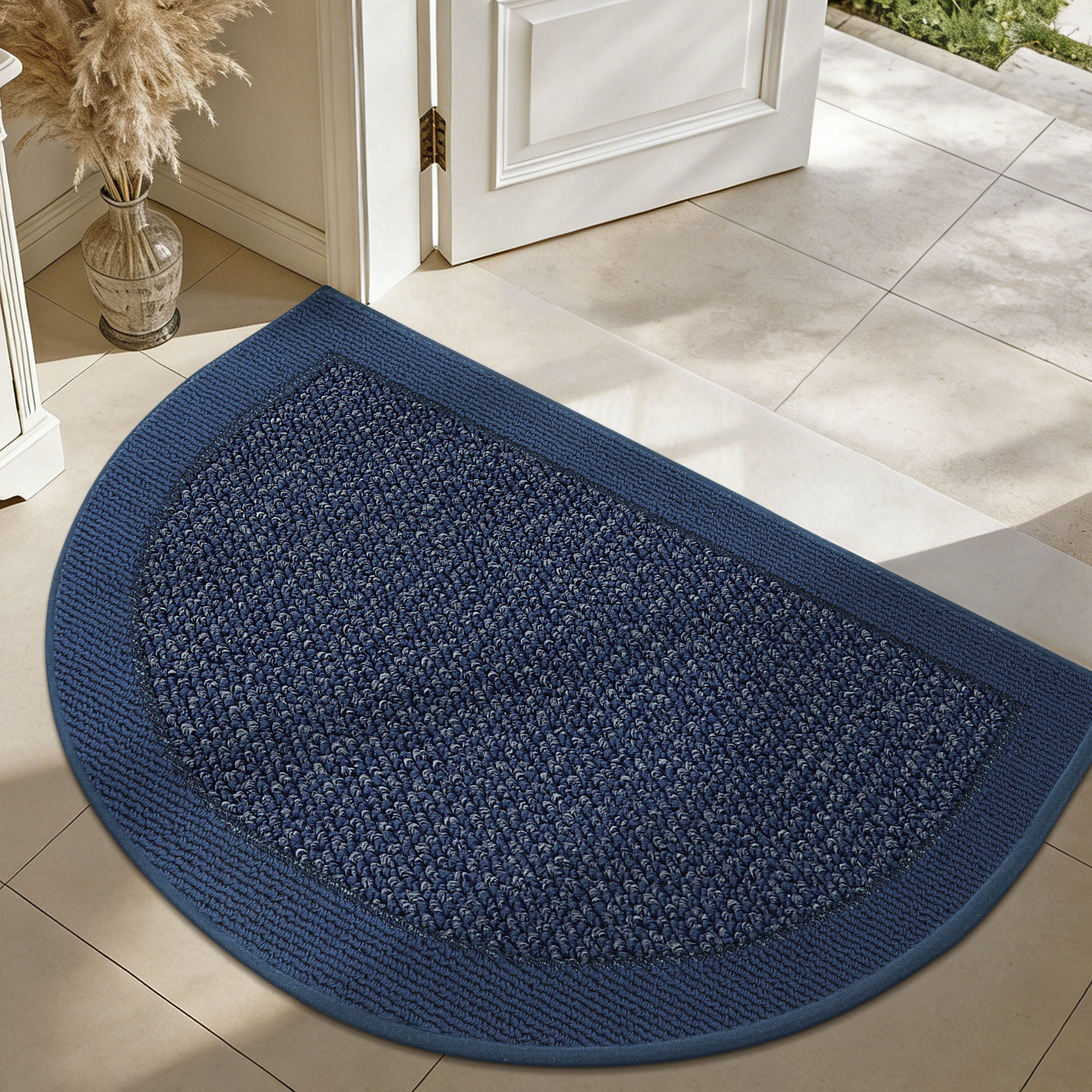
Door Mat Indoor Entrance 32"x48", Non-Slip Entryway Rugs, Blue
Door Mat Indoor Entrance 24"x36", Non-Slip Entryway Rugs, Grey
Door Mat Indoor Entrance 24"x36", Non-Slip Entryway Rugs,Dark Grey
Door Mat Indoor Entrance 24"x36", Non-Slip Entryway Rugs, Brown
Door Mat Indoor Entrance 24"x36", Non-Slip Entryway Rugs, Beige
Door Mat Indoor Entrance 24"x36", Non-Slip Entryway Rugs, Blue
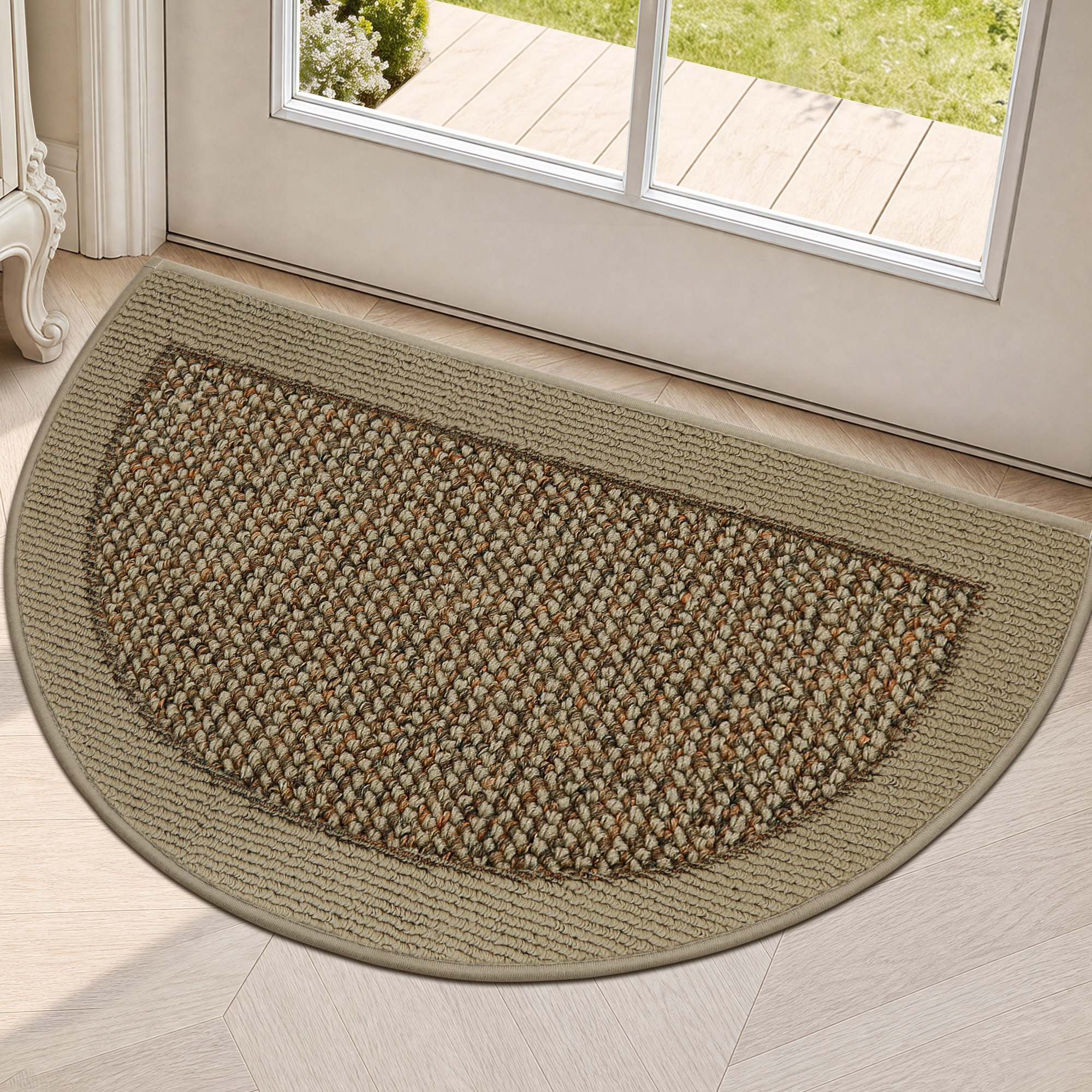
Dirt Trapper Door Mats 17" x 30", Non-Slip & Washable, Beige
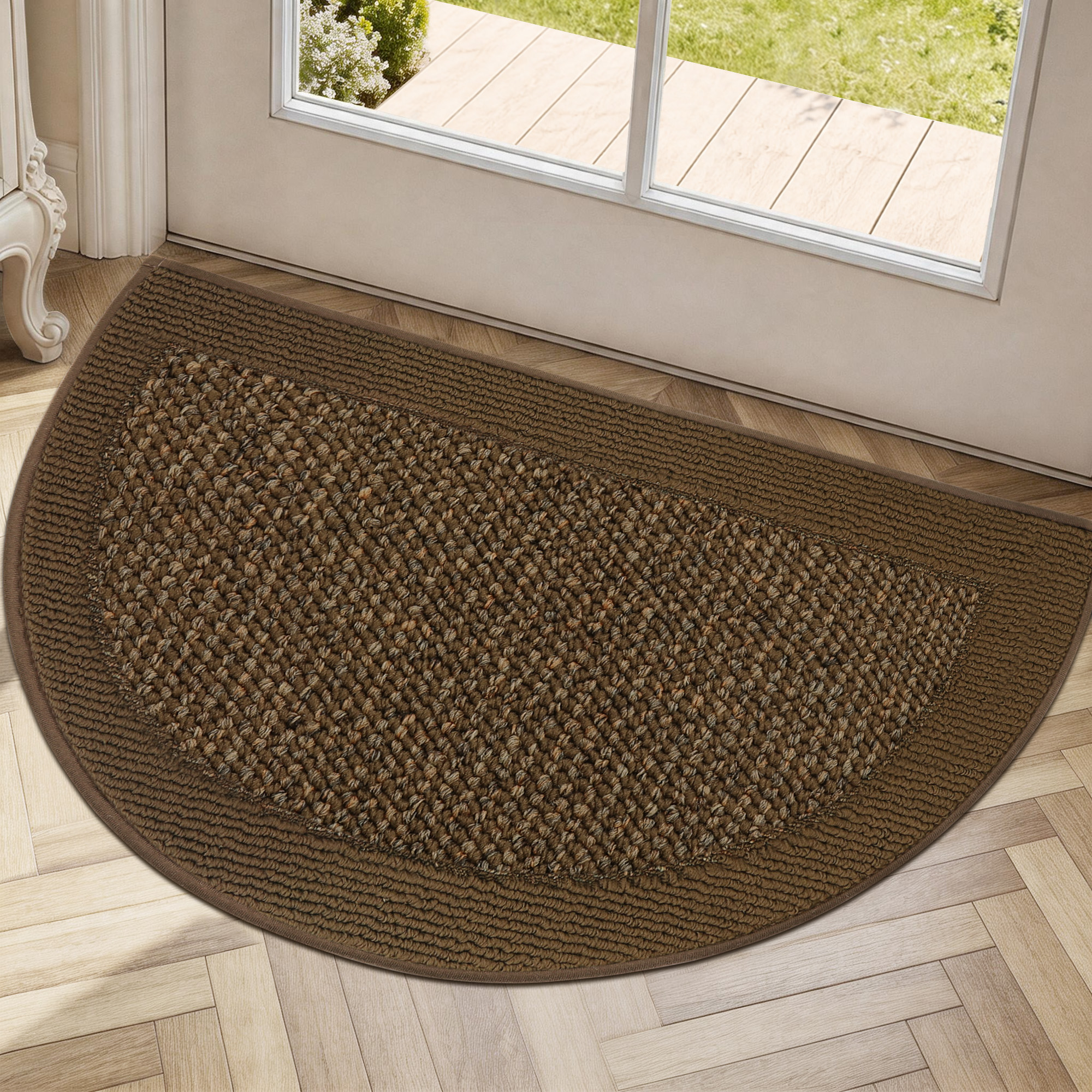
Dirt Trapper Door Mats 17" x 30", Non-Slip & Washable, Brown
Dirt Trapper Door Mats 17" x 30", Non-Slip & Washable, Dark Grey
Dirt Trapper Door Mats 17" x 30", Non-Slip & Washable, Blue
Dirt Trapper Door Mats 24" x 36", Non-Slip & Washable, Beige
Door Mat Indoor Entrance 24"x36", Non-Slip Entryway Rugs, Grey
Dirt Trapper Door Mats 24" x 36", Non-Slip & Washable, Dark Grey
Door Mat Indoor Entrance 24"x36", Non-Slip Entryway Rugs, Brown