
The Full Collection
All Stair Treads
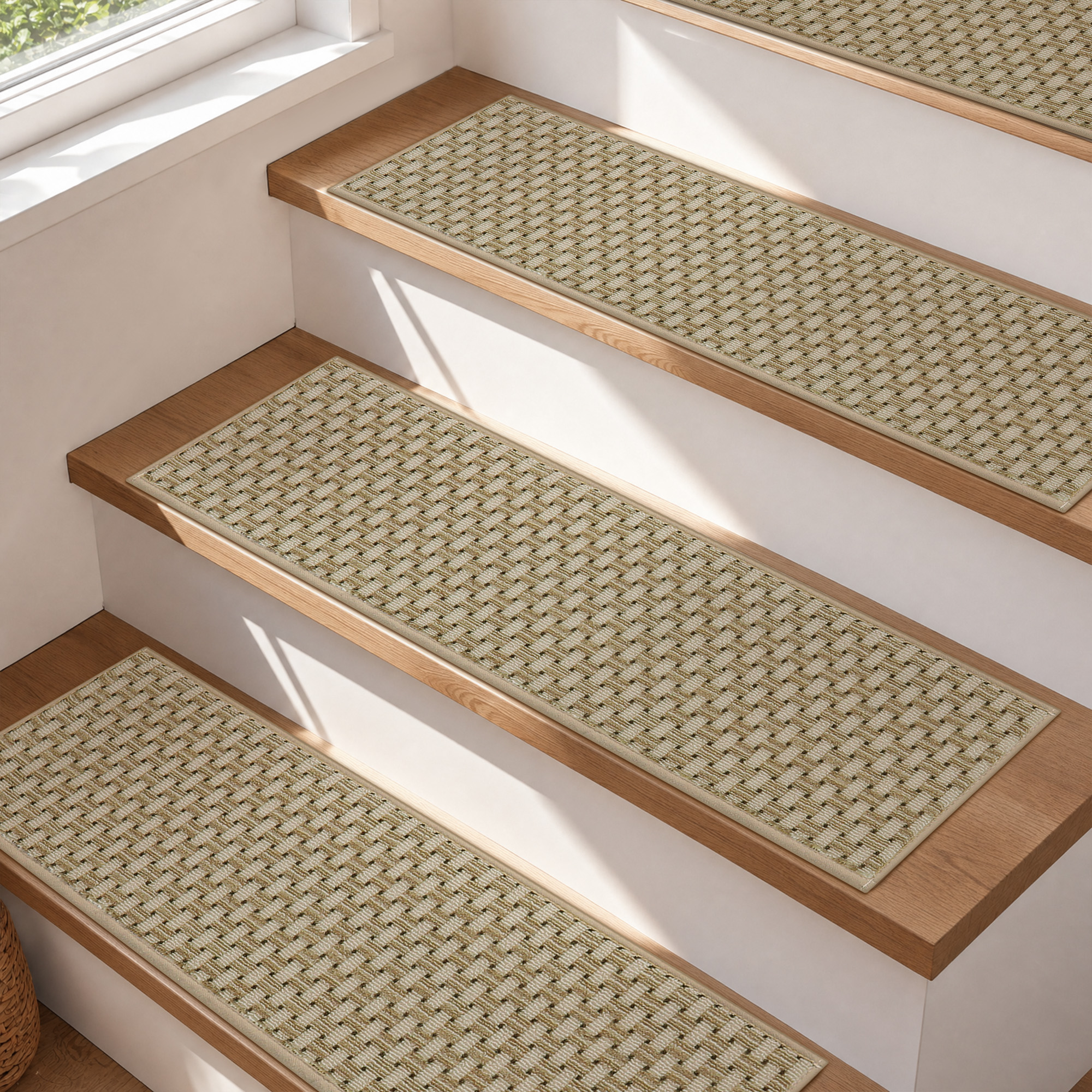
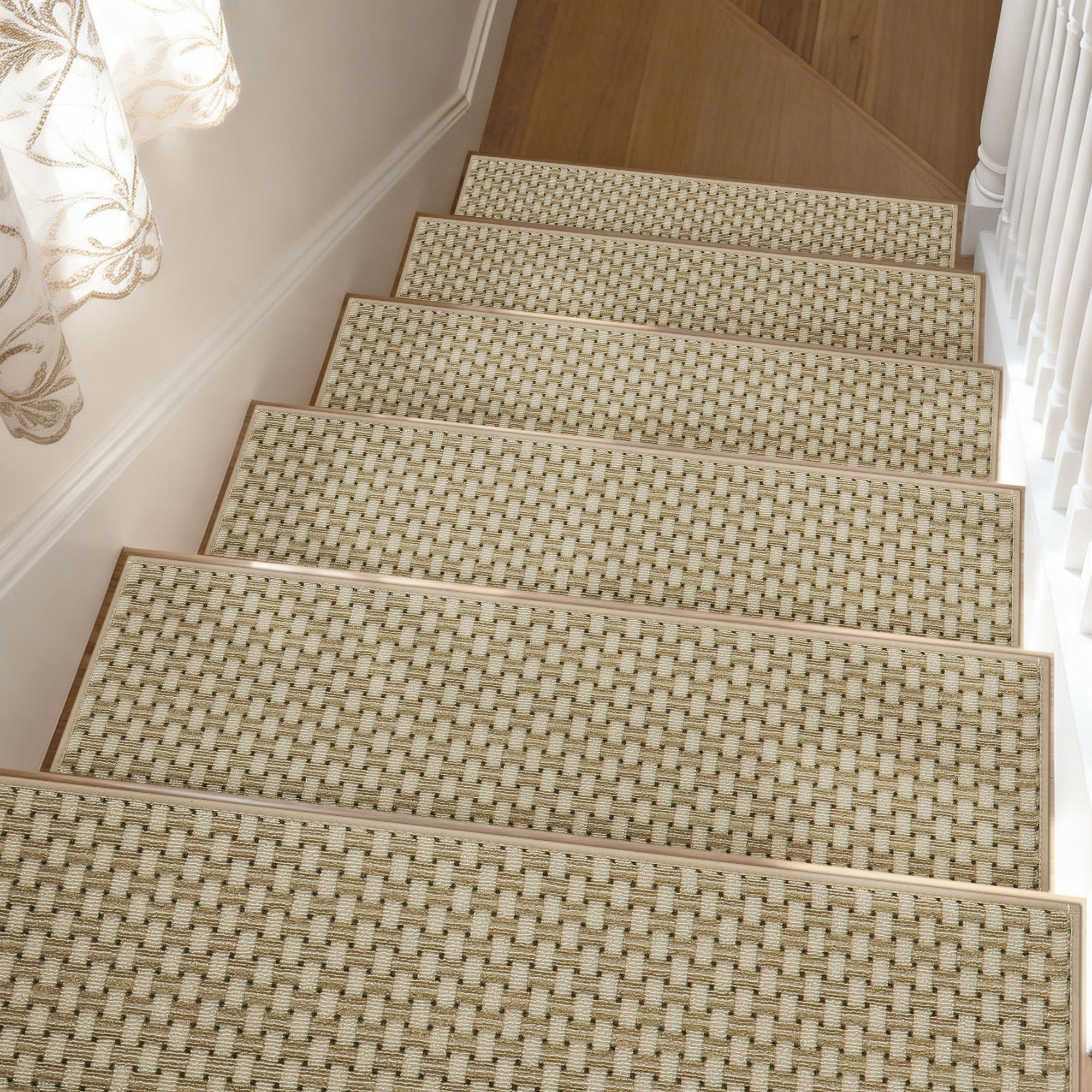
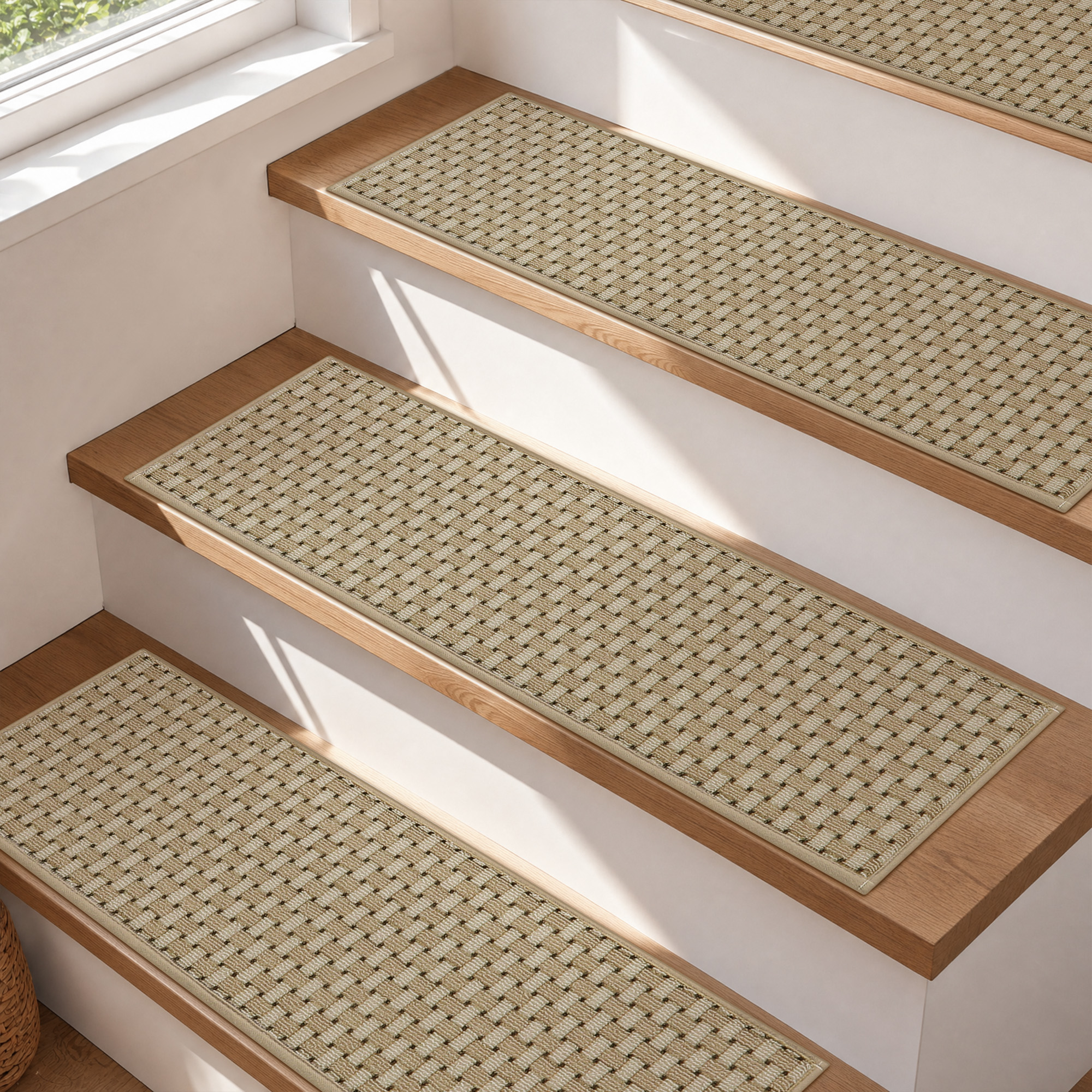
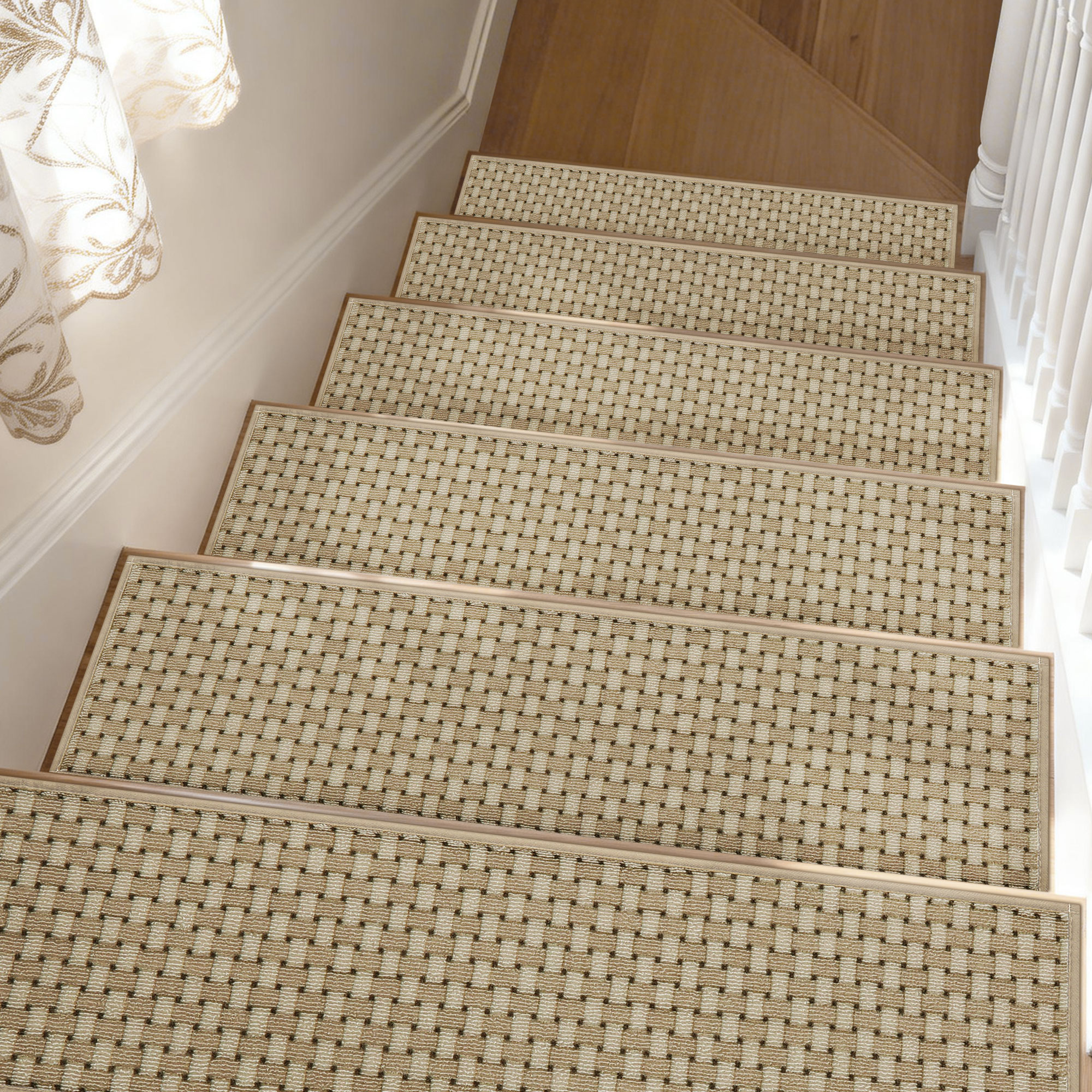
Soft on every step. A TPE backing holds each stair tread in place — no nails, no glue. Four colours for wooden stairs.
The Backing
Why stair treads use TPE
TPE is the soft rubber layer under every FloorHug stair tread. It grips the wood by friction — so there’s no glue, nothing to nail, and nothing to peel off later.
| On Stairs | TPE FloorHug Treads | TPR Common On Flat Mats | Tape Or Glue (The Shortcut) |
| How It Holds | Grips By Friction | Firmer, Holds In Patches | Stuck To The Wood |
| Marks The Wood | None | None | Sticky Gum Line |
| Lift And Re-seat | Anytime | Yes | Rarely Sticks Again |
| Front Edge | Flexes With The Step | Stiffer | Peels Here First |
| Restaining Later | Nothing To Remove | Nothing To Remove | Glue Has To Be Scraped Off |
Floor mats often use TPR. Stairs ask for more: a tread rests on a narrow strip of wood and takes your full weight on the same few inches, all day. TPE is softer, so it follows the grain and holds across the whole underside — not just a few spots.
Good to know: TPE grips hard surfaces — wood, tile, laminate, vinyl. On carpeted stairs there’s nothing to grip, so treads aren’t the right choice there.
Keep the grip: dust dulls a backing faster than wear. Wipe it with a damp cloth, let it dry fully, then press it back down.
After Dark
Why stairs are harder at night
In low light you can’t see the edge of each step. When one study dimmed stair lighting from 86 lux to 22 lux, trip rates doubled — from 11% to 22% (Carson et al., 1978).
stair injuries in US emergency rooms each year
Blazewick et al., 2017
of them are leg and foot injuries
Same study
11% → 22%
trip rate when stair lights are dimmed
Carson et al., 1978
108–215
lux recommended on stairs (code minimum: 11)
IES; IBC 2009
What helps
Why
A tread’s part
Light the stairs
You need light to see each edge.
Do this first.
Add contrast
A tread that differs from the wood marks every step.
Light beige on dark wood.
Add grip
Socks and pet paws slip on sealed wood.
TPE grips the step, fabric grips the foot.
Keep it clear
One shoe left on a step is a trip in the dark.
Treads mark where the step is.
A tread is not a fall-prevention device. It adds grip and a visible edge. Lighting and a handrail do the rest.
Stair Tread FAQ
Quick answers before you choose
Do stair treads need glue or nails?
No. The TPE backing grips the wood by friction. Press each stair tread down firmly the first time and it stays put.
Will stair treads mark my wood?
No. There’s no glue on the backing, so there’s nothing to leave a mark. Wipe the backing now and then, let it dry, then press the stair tread back down.
Do stair treads make stairs quieter?
Yes. The fabric softens each footstep and takes the echo out of bare wood, so a staircase sounds less hollow.
What if my stairs are wider than one stair tread?
Centre one stair tread on each step. On a wide staircase, lay two side by side and keep the margins even on both sides.